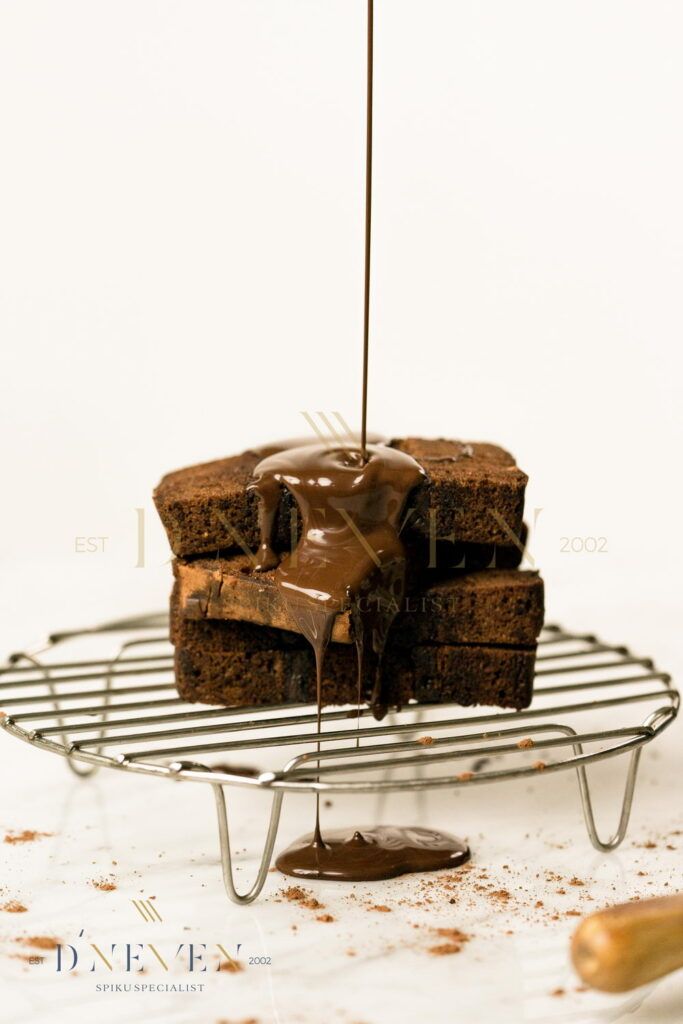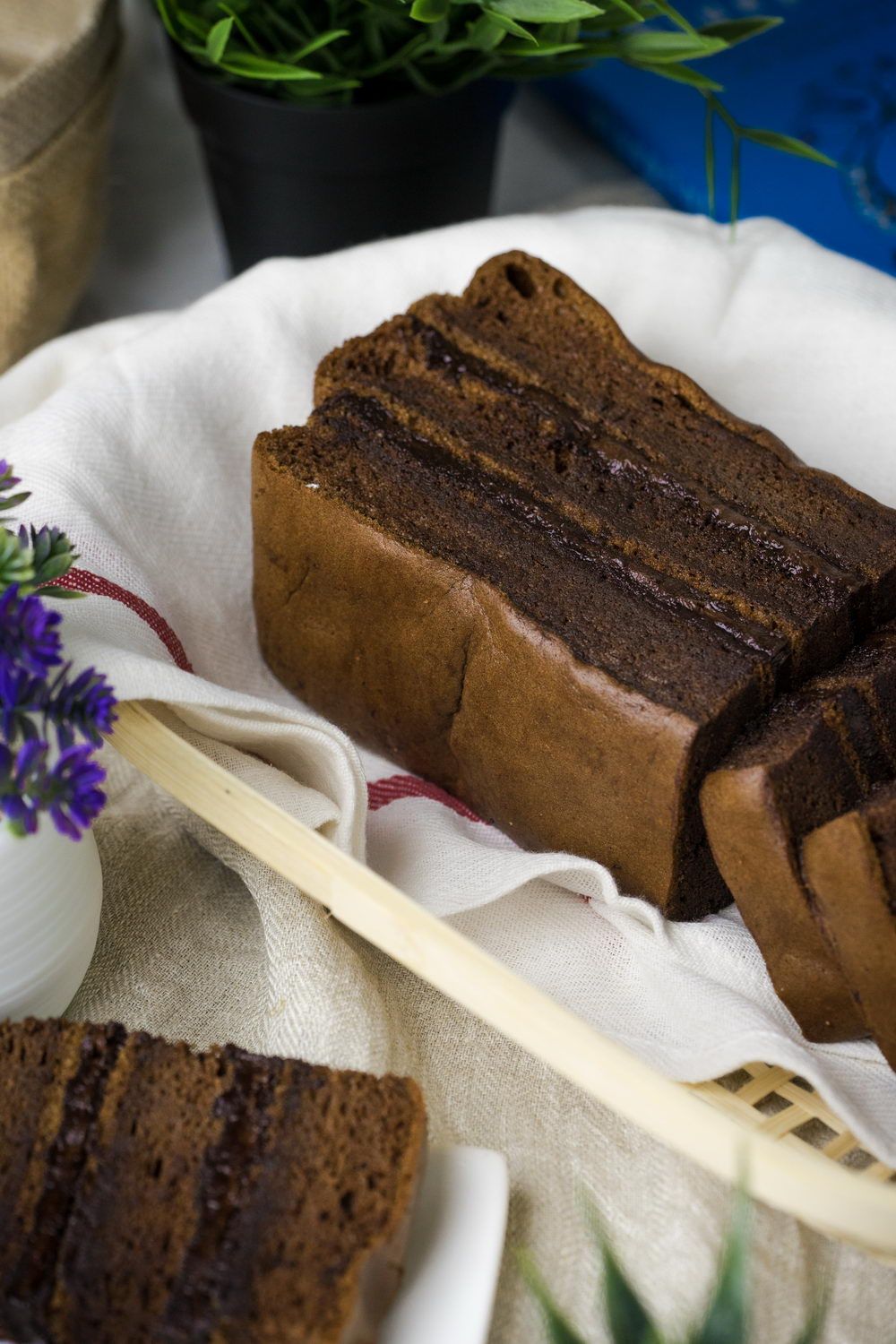
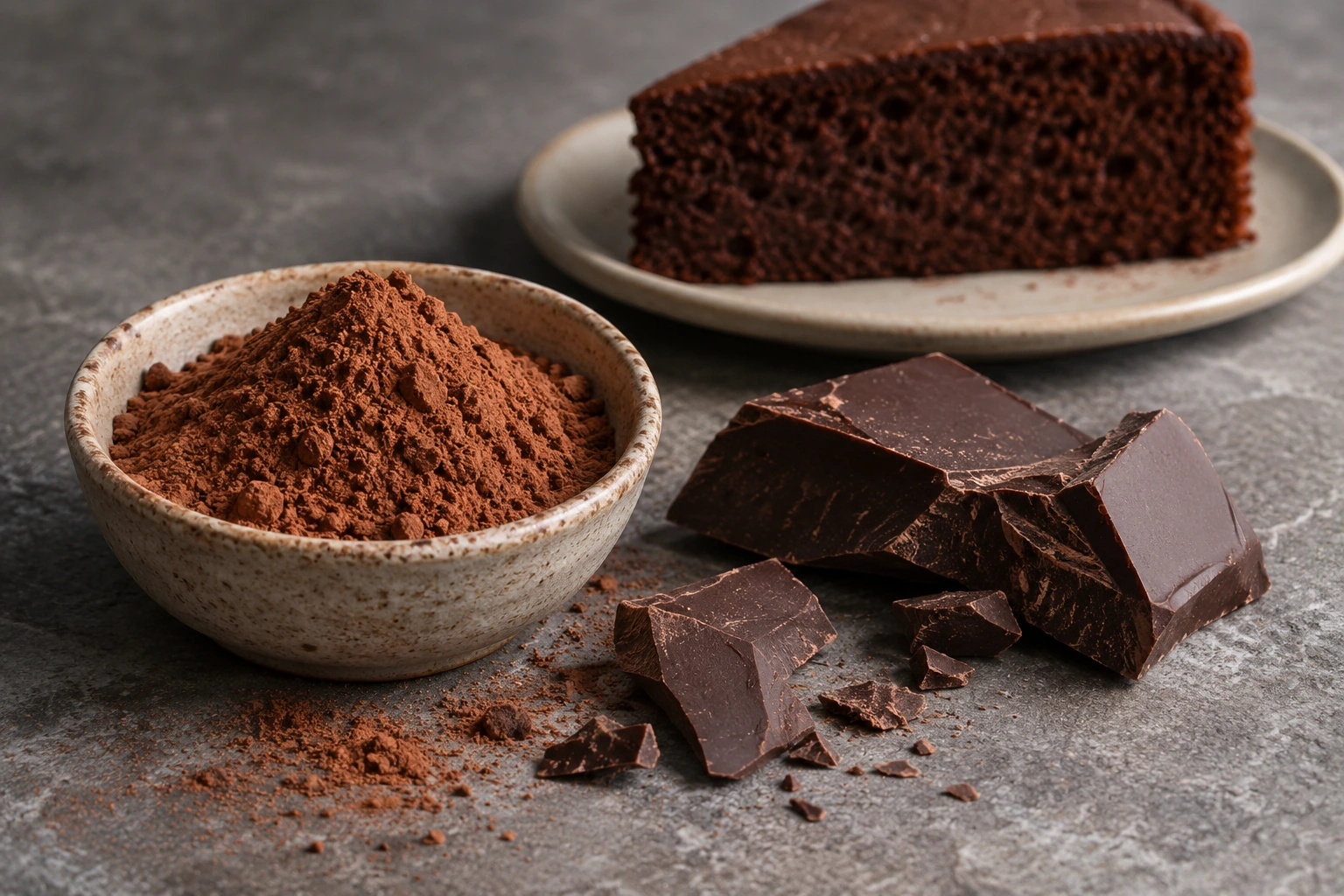
Cocoa powder and solid chocolate are not simply the same ingredient in different shapes. Their compositions affect what they contribute to a cake, so colour alone cannot explain its complete chocolate character.
When choosing a cake, you may encounter cocoa, dark chocolate, ganache and chocolate cake. These terms can refer to different ingredients and prepared components. Recognising the distinction helps you ask about flavour and layers without assuming that the darkest-looking cake must be the most bitter or contain the least sugar.
Read the ingredient form before comparing results
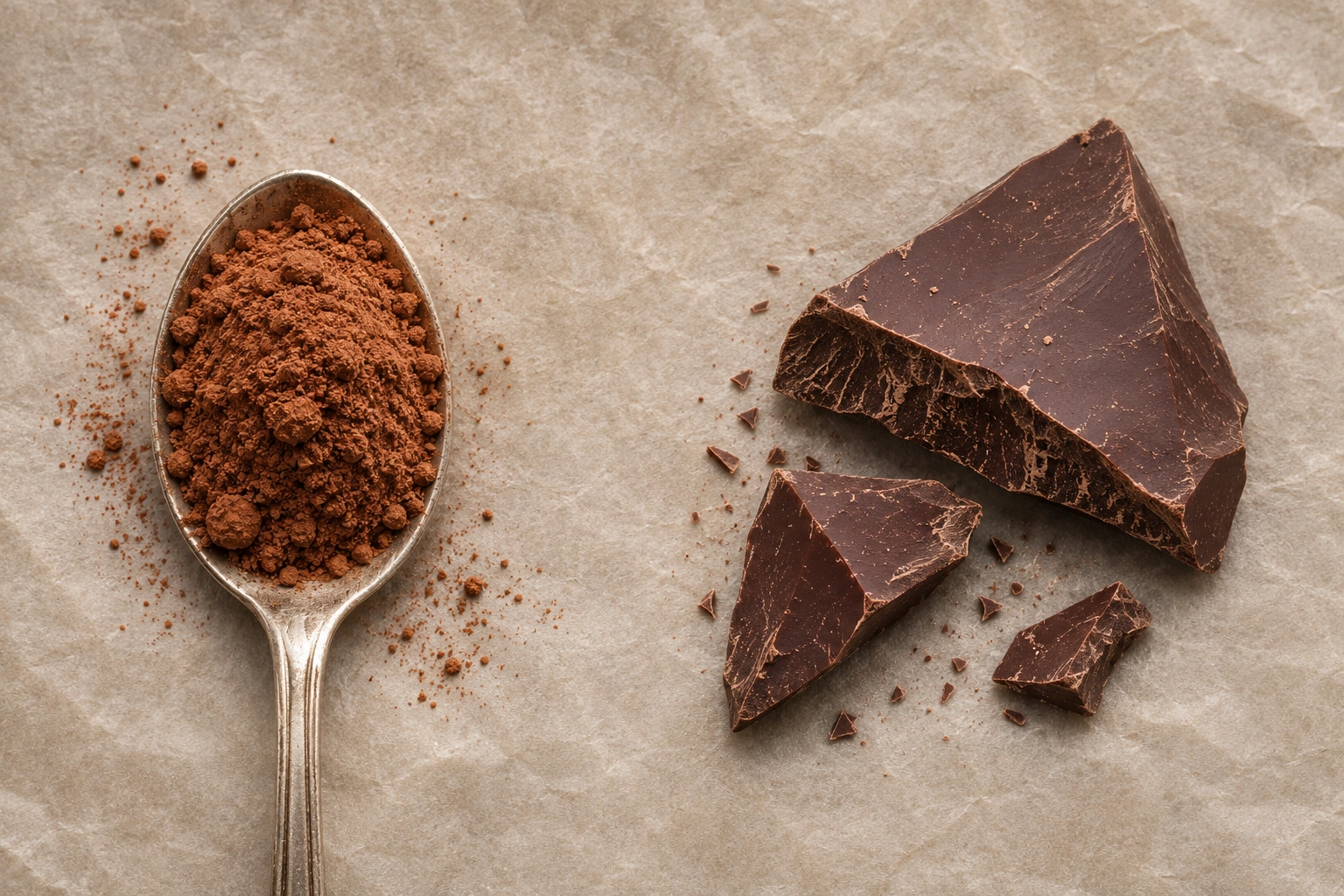
Cocoa powder generally comes from cocoa solids after much of the cocoa butter has been separated. Solid chocolate has a different composition, including cocoa butter and, depending on its type, sugar and other ingredients. A spoonful of powder and a piece of chocolate therefore do not make equivalent contributions to a recipe.
King Arthur Baking’s explanation of cocoa types also shows that cocoa powder varies with processing. For someone choosing a cake, the useful point is that cocoa does not describe a single uniform profile. The ingredient and the complete formulation work together to produce the result.
Do not turn this comparison into an ingredient-substitution formula. Replacing chocolate with powder, or the reverse, can change the balance of fat, sugar and other components. A tested recipe contains relationships that cannot be reconstructed from the shared word “chocolate” alone.
Separate the cake, filling and outer layer
A cake can carry chocolate character in several places. Its sponge or cake base may differ from the filling and covering. Read which component a description refers to before comparing two products or deciding that the same word means the same eating experience.
A comment about a soft chocolate layer, for example, does not tell you whether the crumb underneath is light or dense. A dark cake does not establish that its filling has the same character either. A bite combines those components, including the relative amounts of each that happen to be eaten together.
When asking a question, identify what matters to you: chocolate aroma in the cake, the filling’s flavour or the overall balance. That is easier to act on than “the most chocolate one” without explaining your meaning. An official product name helps the team confirm that everyone is discussing the same item.
Do not infer sweetness or bitterness from colour
Colour is a visual characteristic, rather than a measurement of taste or sugar content. Cocoa type, formulation and the appearance of different layers can all affect what a cake looks like. Keep a personal impression of sweetness or bitterness separate from information about its composition.
If you are comparing products you have tried, use straightforward observations. “I like a clear chocolate character and would like to understand the filling” gives more useful context than a dark photograph with a request to reproduce its taste exactly.
For ingredients or allergens, use available product information and confirm with the seller. The term dark chocolate does not automatically establish that a cake is dairy-free, low in sugar or suitable for a particular health requirement. A general ingredient name cannot replace checking the actual product you intend to order.
Use a product description as your starting point
Read the Triple Chocolate profile to identify the Dneven product and its context. Then check the current collection and ask for details relevant to your order. A variant name identifies a choice; it does not state ingredient ratios or guarantee that everyone will perceive its flavour alike.
For a gift, connect the choice to preferences you actually know. Does the recipient enjoy chocolate cakes, or usually choose another flavour? If you are unsure, ask about broad preferences without expecting them to evaluate technical ingredient terminology.
For a group order, retain the complete product names. Do not combine different choices into “all chocolate” if the products are distinct. Clear names support quantity checks and make it easier to resolve questions if the availability of one option needs confirming again.
Ask questions that explain the choice
A short note can identify the product you saw, the flavour component you want explained, the experience you enjoy and the details requiring confirmation. If you share a reference photograph, say whether its colour, layering or serving size interests you. A picture cannot communicate the entire eating experience.
Distinguish a preference from a verified fact. “I want a noticeable chocolate character” is a preference. “This product excludes a particular ingredient” requires product information. Keeping those categories separate makes the seller’s answer easier to assess and avoids turning appearance into an unsupported conclusion.
Before completing the order, reread the variant name, confirmed size, quantity and handover arrangement. Ingredient knowledge should lead to a choice that can be checked, rather than a contest to find the darkest cake. The useful choice is one that fits the occasion and the actual information available to you.