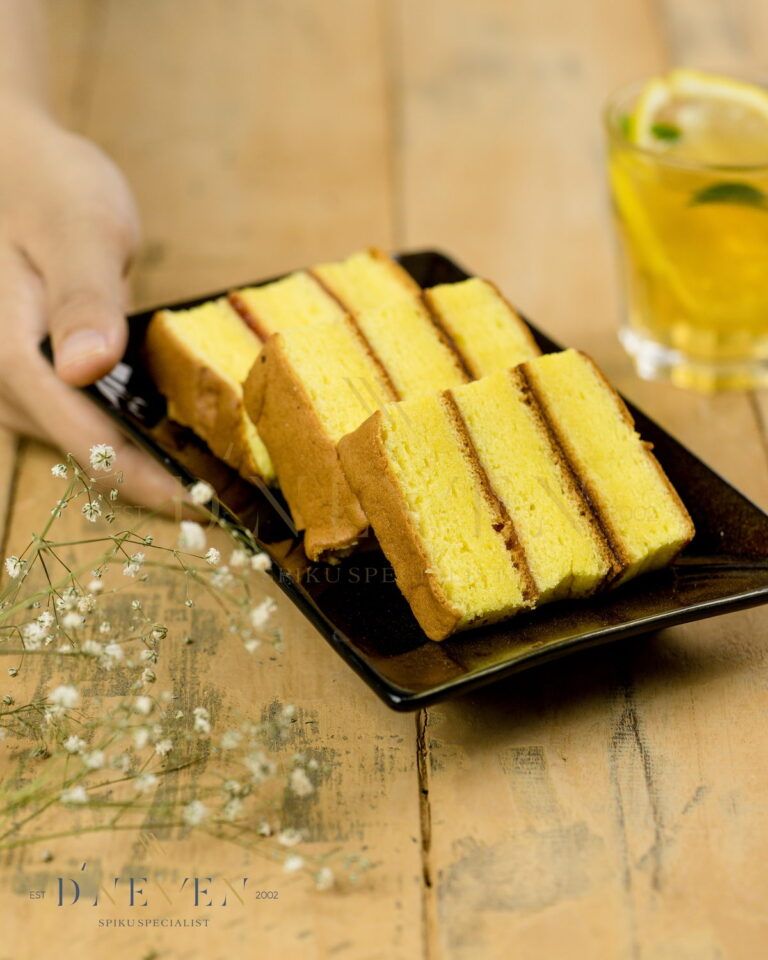

Sending gifts to several people can seem straightforward until addresses, product choices and card messages start getting mixed together. A clear preparation process keeps the gesture personal without turning the order conversation into a long, difficult checklist.
Use one row for each recipient
Create a list containing the recipient’s name, complete address, receiving contact, spiku choice, quantity and gift message. If an office receives several gifts, keep each person on a separate row. Then indicate which rows share the same handover point.
Use simple references such as A01 and A02 to match product choices and cards. These references are working tools rather than replacements for recipients’ names on gifts. Avoid sending updates as several different table photographs: anyone helping with the order needs to know which version is current.
Choose products before organizing routes
Explore the spiku collection and record complete product names. Classic Original, Triple Vanilla and Triple Chocolate are distinct choices; use the names shown in the catalog to prevent confusion. Availability, offered sizes, prices and packaging for your actual order require confirmation.
If every recipient should receive the same product, record that as a clear decision. If choices differ, keep the reason in your coordination notes. Do not assume a product meets a recipient’s dietary or health requirements without confirmed product information.
Confirm that the handover point can receive gifts
Ask whether the recipient will be at home or work at the planned time. For an office, include the building name, floor or unit, known reception arrangements and an appropriate receiving contact. For a home, provide a complete address and only the directions that are needed.
A complete address does not automatically mean delivery is available. Discuss service coverage, pickup alternatives, costs and receiving times before agreeing the order. Mark an uncertain address as unconfirmed so it is not treated as ready.
Match each card to its recipient
Write a short, readable message and check name spelling. A message for a colleague may be simpler than one for a family member. Keep the relationship between recipient reference, product and card message in the same list.
When something changes, send the full updated list with a date or version marker. Explain which rows changed. Saying “change the third person’s address” without providing a reference can result in the wrong update.
Finish with one summary
Before sending the summary, cross-check the recipient and gift lists. Every recipient row should have a product decision and the correct message. Every requested gift should also point to a clear recipient. Calculate the total from the complete list and match it with the quantity being confirmed; avoid recounting details scattered across separate conversations.
A list with three recipients
Imagine preparing gifts for three colleagues. A01 and A02 work in the same building, while A03 receives at home. A01 chooses Triple Vanilla, A02 Classic Original, and A03’s selection is awaiting confirmation. Keep three recipient rows and add a shared building reference to the first two. Do not merge them into one office gift if you intend to give two personal gifts.
Mark a row “ready for confirmation” only when its product, receiving contact and address are complete. A03 stays pending. If you want to discuss part of the list first, state in writing which rows the request includes. This is an ordering exercise rather than a service condition or a guarantee that the named products are available.
Check cards in the same order as the table. Read the recipient’s name and message while matching the reference code. Two recipients in one building can have their messages confused if checking follows only the address. Retain the approved final wording before asking which card format can be used for the order.
Manage updates and personal information
If A02 changes location, update that row in the main document and identify the latest version. Send the complete summary with a description of the change, and establish that the update was received before treating it as effective. Changes after an order has been agreed still need confirmation; your revised document does not automatically change work already in progress.
Share addresses and contacts only with people who need to help fulfill the order. Avoid putting the address list in a greetings group or a gift photograph intended for publication. After completion, retain any records still needed under your policy and limit access. A thoughtful gift comes from attention to the recipient, while coordination needs only relevant information.
Before confirmation, check the total gift count, each recipient’s product, confirmed addresses and the main coordination contact. Keep the agreed summary so you can review handovers without reopening many separate conversations.
Share the list through D’NEVEN SPIKU’s contact options on the homepage. For ideas about gifting and serving, browse more journal articles and select the details that suit your recipients.