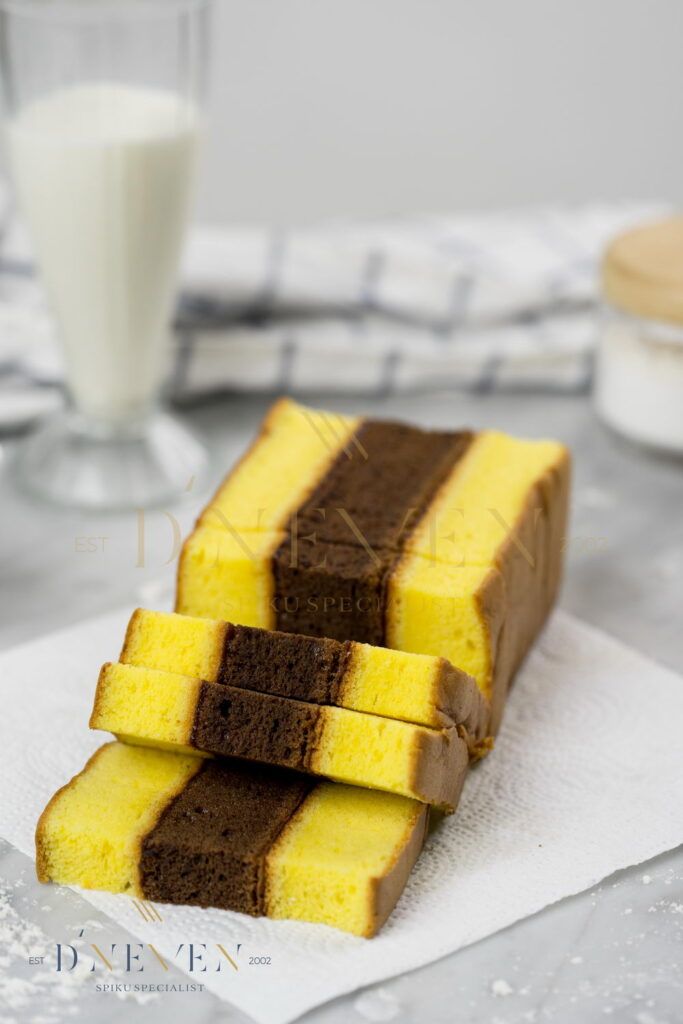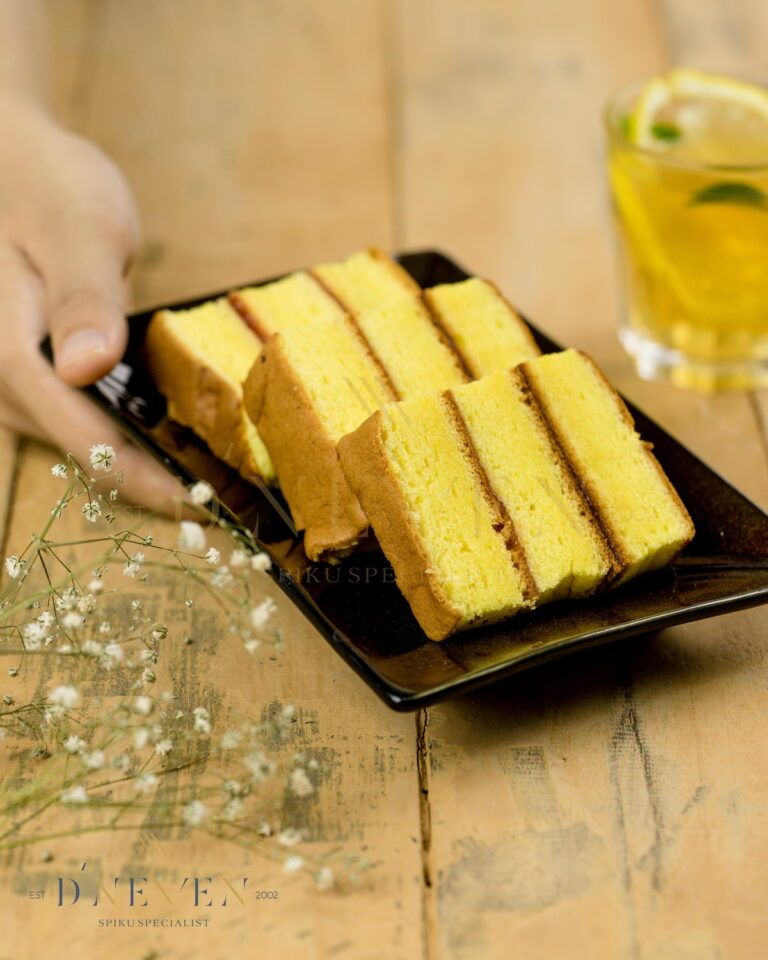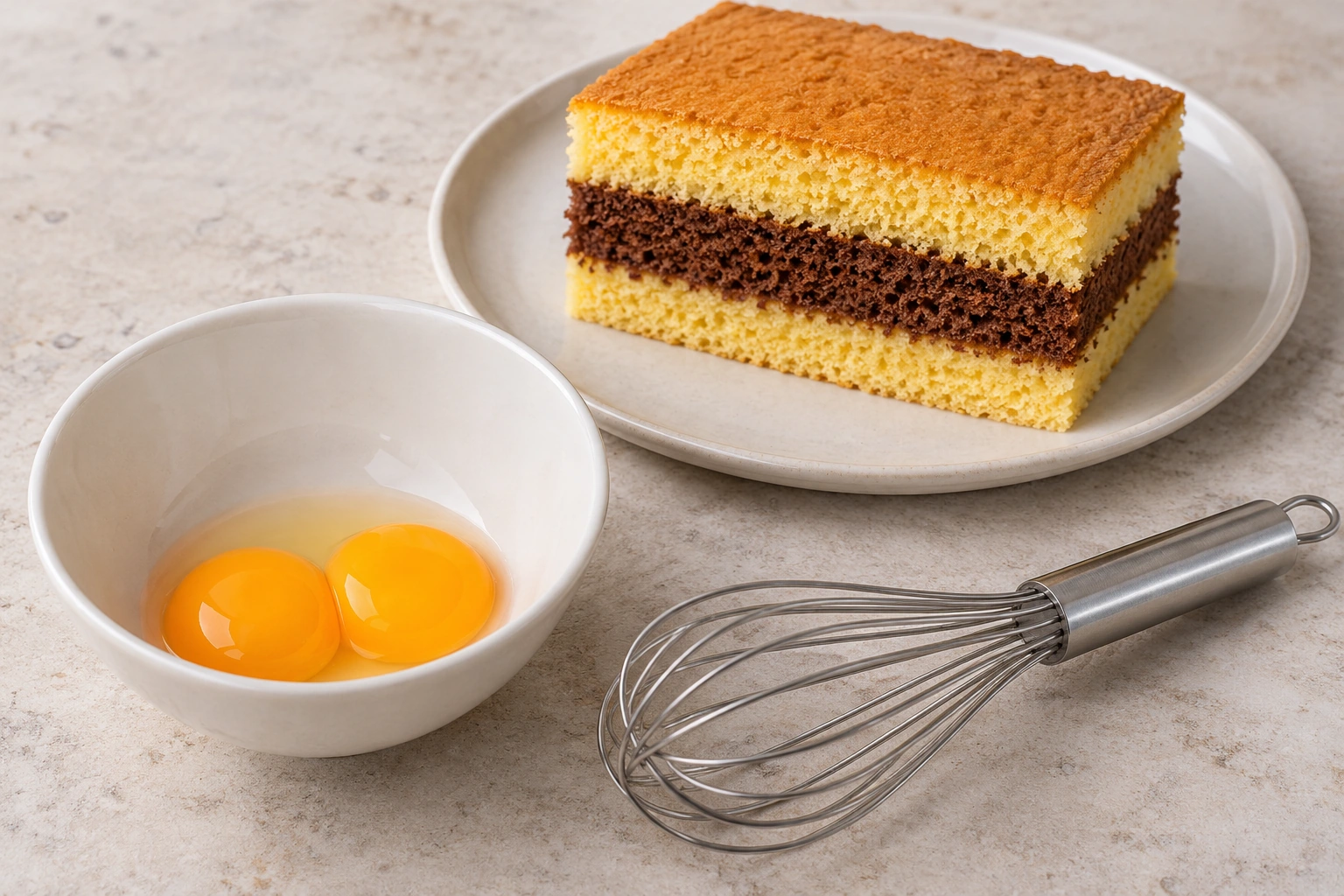
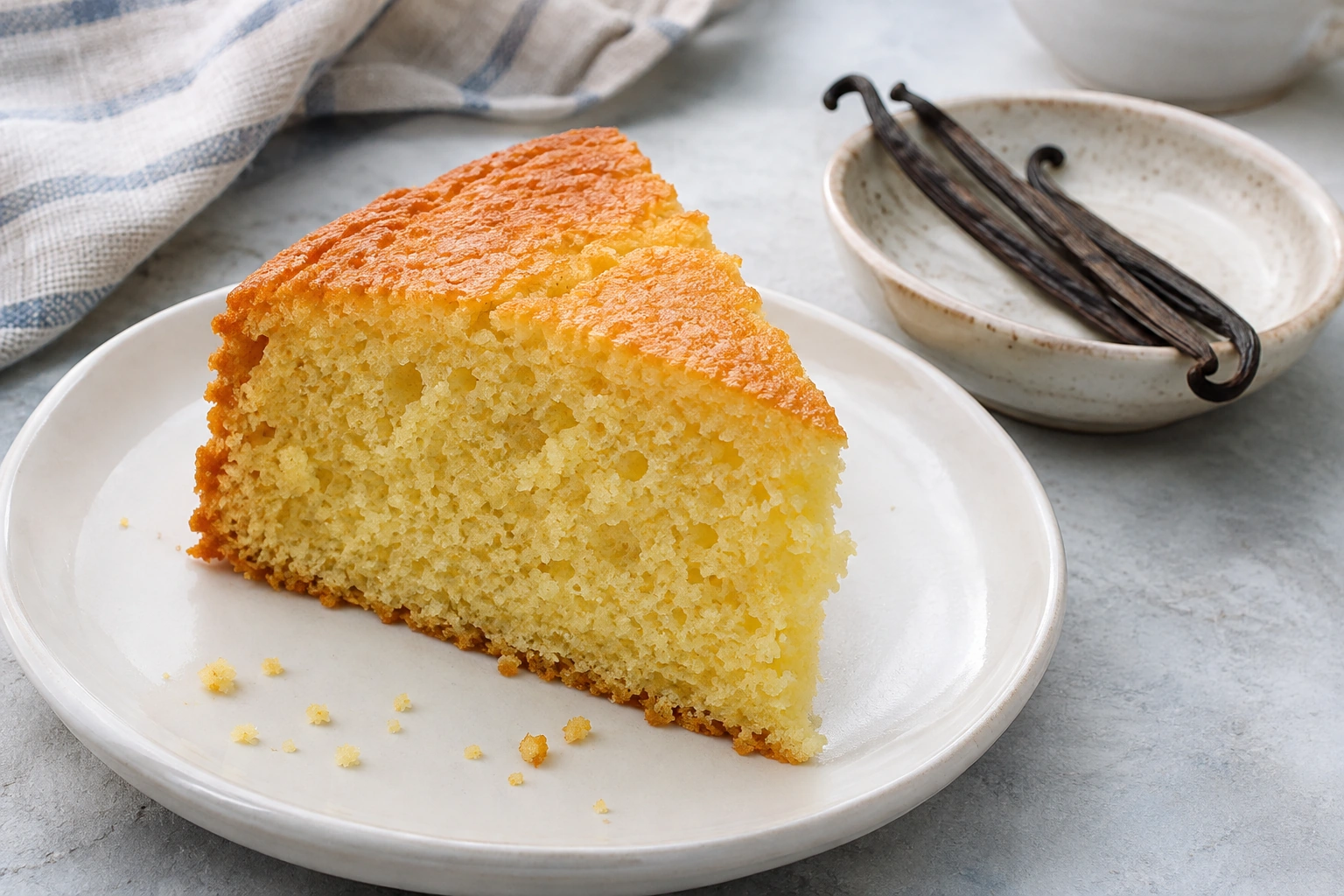
Vanilla aroma and cake sweetness are related, but they describe different sensations. Separating them helps you explain a flavour preference without guessing the amount of sugar from a cake’s fragrance.
“The vanilla is strong” might mean that its aroma is easy to recognise. “Too sweet” describes a different impression while eating. Those comments do not necessarily refer to the same characteristic. When choosing spiku for yourself or someone else, use words that identify the experience you mean, making the conversation about a product easier to understand.
Identify the sensation you are describing
Aroma belongs to the experience of smelling, including aromas released while food is chewed. Sweetness is one element of taste. Both occur alongside texture and other sensations, so eating feels like a combined experience even though its parts can be discussed separately.
Try dividing a preference into a few questions. Is the fragrance recognisable before eating? Does the sweetness seem light or strong to you? Does the texture feel dense, soft or otherwise distinctive? Professional tasting vocabulary is unnecessary. Simple, consistent words are more informative than describing every characteristic as a “strong flavour”.
The distinction also helps when reading someone else’s comment. Enjoying a noticeable vanilla aroma does not mean that person wants the strongest possible sweetness. Equally, disliking one aromatic characteristic does not establish that they will reject every cake carrying a similar flavour name.
Aroma can affect perception without measuring sugar
A study of vanilla and sucrose in skim milk found interactions in their sensory ratings. It examined milk drinks under experimental conditions; it does not provide a sugar-content figure for a cake or a Dneven product.
The practical distinction is between perception and composition. A fragrance associated with sweet foods can contribute to the flavour experience, but smelling is not a method for calculating sugar per serving. An impression of “light sweetness” is not a statement that a product meets a particular dietary requirement either.
Ask directly for available product information when ingredients, allergens or nutrition matter to your choice. A variant name, cake colour or another customer’s impression cannot establish that something is sugar-free, low in sugar or suitable for a medical condition. Use the information actually available for the product instead of translating a sensory description into a composition claim.
A vanilla name does not disclose the whole recipe
Vanilla appears in different ingredient forms used in food preparation. However, a flavour name in a catalogue does not automatically reveal the form, quantity or method a producer uses. Use published product information or the sales team’s answer to understand the composition they can actually explain.
Use the official product name to identify your choice, then distinguish published information from details you still need to ask about. Triple Vanilla is a product name in Dneven’s collection. The name alone cannot quantify its aroma intensity or establish how its sugar content compares with another variant.
A more useful question is, “I am looking for a recognisable vanilla character; which available product can you explain for that preference?” This gives the conversation a direction without asking the seller to confirm an assumption about a recipe you have not seen.
Compare experiences under reasonable conditions
A drink, serving temperature and something eaten immediately beforehand can influence your experience. If you want to remember a comparison, briefly note those conditions. Comparing one cake with bitter coffee and another after a very sweet drink does not isolate differences between the cakes themselves.
Choose an appropriate portion and follow the product’s serving information. There is no need to heat, freeze or otherwise treat a cake merely to make its fragrance stronger. Changing its treatment may produce an experience different from the way it is intended to be enjoyed, weakening the comparison rather than clarifying it.
Keep observation separate from choice. “I can readily recognise the vanilla aroma” is a personal observation. “I would like this character for a family occasion” is a preference. Both can inform an order, but neither establishes that every guest will perceive the product in exactly the same way.
Communicate a preference someone can act on
For a gift, ask about the recipient’s tastes in a comfortable way. Do they tend to enjoy vanilla, chocolate or another combination present in the collection? Age or personality alone is not a reliable basis for assigning someone a particular sweetness preference.
For a group, write down known priorities and leave uncertain preferences visible. The coordinator can choose among confirmed products rather than searching for one flavour assumed to please everyone. Availability, offered sizes and product details still need checking with the branch handling the actual order.
Use a simple spiku tasting record if you want to remember the experience for a later purchase. Keep aroma, perceived sweetness, texture and personal preference in separate notes. “Likes vanilla” then becomes a useful description, instead of an assumption that fragrance and sugar content always move together.