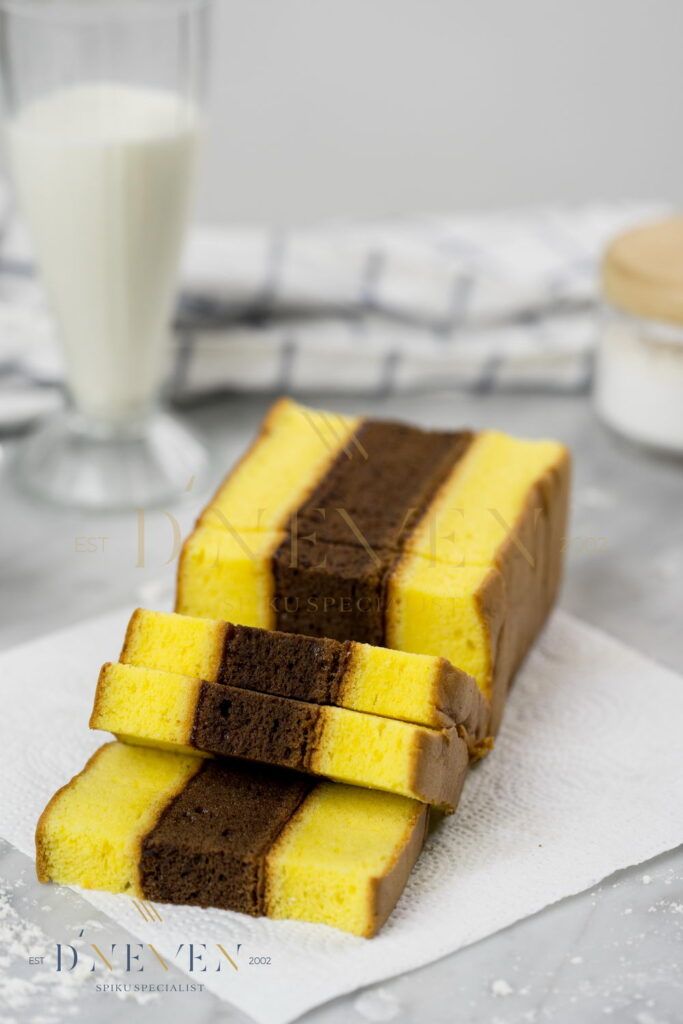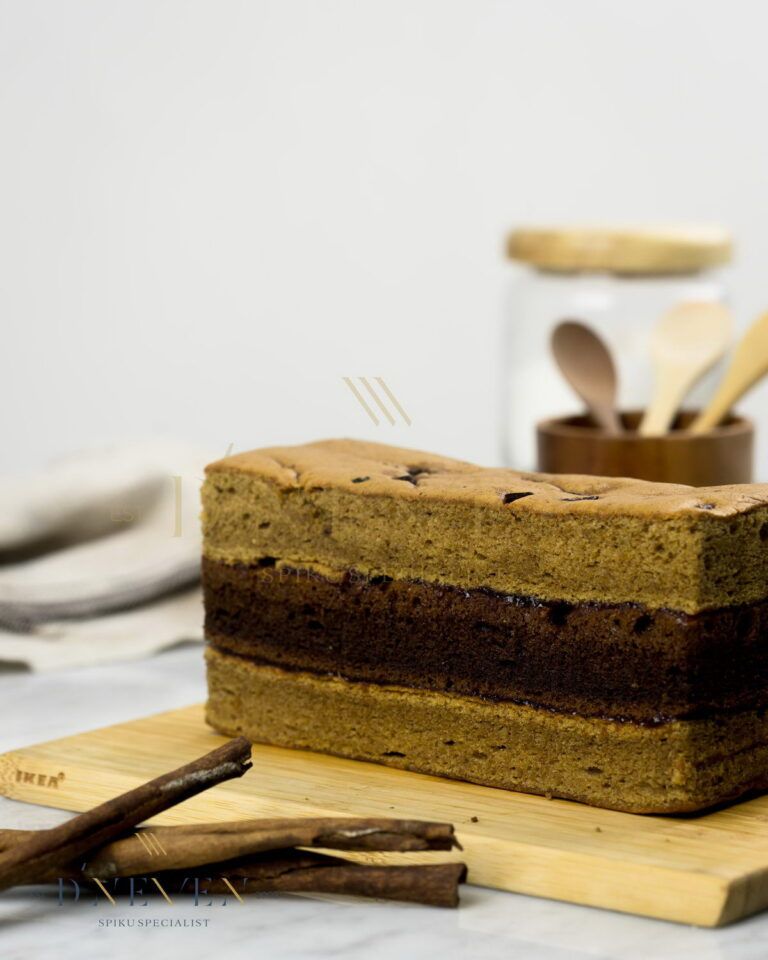
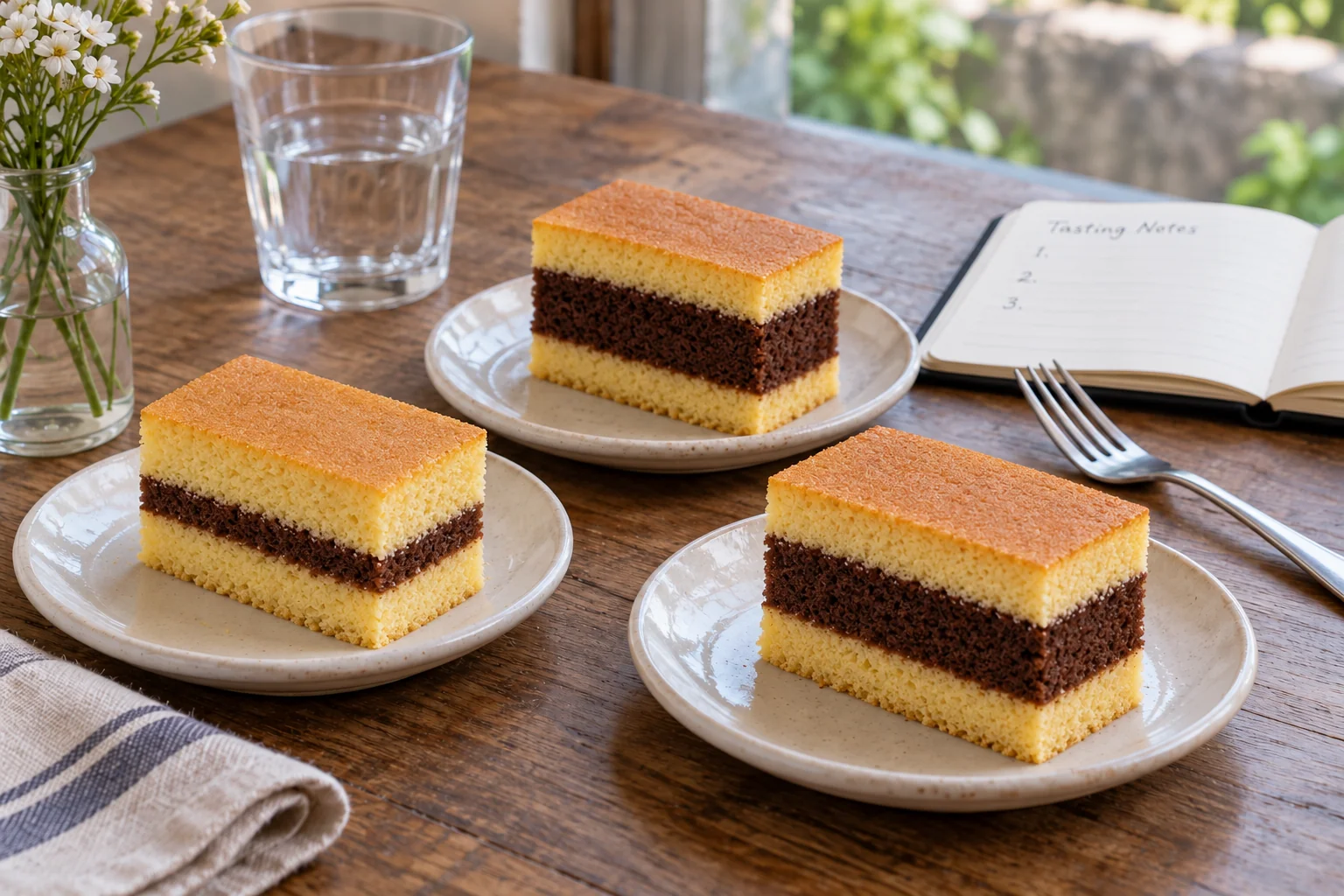
When comparing spiku choices, “delicious” is often the first response. It is a valid response, but it does not explain why one choice suits you better. Simple tasting notes help you remember differences without turning cake time into a rigid assessment. Prepare a few questions, write in your own words and connect the impressions to the occasion on which you expect to enjoy the cake.
Choose a purpose before comparing
Select a purpose that matches your needs. Are you choosing something to accompany tea, looking for a family treat or learning about your own preferences? Different purposes can lead to different choices. A cake you enjoy slowly on your own may not be your first choice when sharing with a group whose preferences vary.
Check names and variants through the D’NEVEN SPIKU collection or information from the relevant branch. Do not infer ingredients solely from the colour of the layers. If ingredients matter to your requirements, ask someone who can provide product information. Tasting notes do not replace ingredient confirmation and cannot establish suitability for particular dietary requirements.
Prepare reasonably comparable conditions
Use clean plates and utensils, then take small amounts from the choices you actually want to compare. The purpose is to give each choice your attention, rather than determine a product’s serving count. Follow the serving and storage instructions confirmed for that cake. Do not let the note-taking activity keep the product outside its recommended handling conditions.
Have drinking water available if you normally use it between tastes. Avoid adding different toppings to each choice, since those additions change the question being compared. If one cake has just been opened while another has been served for longer, record that difference. The notes do not need perfect conditions, but differences in those conditions should remain visible.
Use words that support your memory
Begin with impressions you can explain easily. You might note whether a particular flavour seems more prominent, whether the texture feels softer or denser to you, and what remains noticeable after a bite. Use words that genuinely describe your personal experience. Professional terminology is unnecessary if you are uncertain what the terms mean.
Separate observation from preference. “The chocolate impression is more prominent to me” is different from “this is the best”. The first statement preserves a reason you can revisit; the second preserves only a decision. One person’s impression is not automatically something everyone will experience. When tasting together, let each person write their notes before hearing the others’ opinions.
For example, two people may record similar impressions yet choose different cakes for the same occasion. One prefers a more prominent flavour while the other chooses what feels lighter to them. Preserve both reasons without forcing a shared answer. That difference can help when you want to ask about the next available choice.
Keep the note sheet short
The following table can serve as a personal format:
| Choice tasted | Most noticeable impression | Texture to me | Occasion I would choose it for |
|---|---|---|---|
| Choice A | Write in your own words | A short note | An occasion you have in mind |
| Choice B | Write in your own words | A short note | An occasion you have in mind |
Add the date and confirmed variant names so the notes do not become mixed up. If you give a preference score, include a reason. A number without explanation is difficult to use when the next choice has a different character. Writing “I cannot distinguish these yet” is better than forcing a difference you did not actually notice.
Connect the impressions to sharing
After recording the impressions, choose the reason that matters most for the next occasion. Your own preference may take priority when enjoying cake alone. When sharing, also consider whether the recipient already has a familiar choice and whether you should ask first. Avoid treating your personal tasting result as proof that everyone will prefer the same variant.
The guide to choosing spiku for a gift discusses the wider gifting context. Tasting notes can support that discussion, but they do not replace information about the recipient, timing or available choices. Keep flavour selection separate from decisions about collection and handover.
Preserve useful details rather than everything
One clear note is usually more useful than pages of repetitive impressions. At the end, summarise the choice you preferred, the reason and anything you still want to ask. Keep your personal notes somewhere you can find them when choosing again. If your preferences change on another occasion, add a new note; the earlier experience does not need to be erased.
When contacting Dneven, identify the variant and ask a specific question based on your notes. You may want to confirm the name of a choice you previously tasted or ask which choices are available at your intended branch. Start with Dneven’s official information. Simple notes make the conversation clearer while still leaving room to enjoy spiku without feeling that you need to become a tasting expert.