
Teacher appreciation should begin with the message a child wants to share and the school’s rules. If food gifts are permitted, spiku can be considered as something to enjoy together. Choose a modest gesture that does not burden other families or interrupt the school day.
Indonesia’s National Teachers’ Day on 25 November is one opportunity to say thank you. A personal message need not wait for a large celebration, however. A small classroom memory, help with a difficult lesson, or encouragement to try again often gives a note more meaning than a broad, formal greeting.
Ask about school rules before gathering orders
Use the school’s usual family communication channel. Ask whether there are rules about gifts or food, who may receive them, and when a handover could take place. Another class’s custom does not prove that the same arrangement is appropriate for yours.
If the school does not accept gifts, choose a permitted form of appreciation, such as a letter or a child’s artwork. Do not look for an alternative route to deliver a gift anyway. Respecting a stated boundary is part of making the gesture comfortable for its recipient.
The Ministry of Primary and Secondary Education’s Teachers’ Day information provides context for the commemoration. For an individual school, rely on its own current information, including any agenda changes close to the planned date.
Let the message come from a child’s experience
Invite the child to recall one particular moment. “When did your teacher help you?” is often easier to answer than asking for a formal statement. Preserve age-appropriate language and help with spelling without replacing the child’s voice with an adult’s polished speech.
A possible starting point is: “Thank you for patiently helping me learn to read.” It describes a specific experience without comparing teachers or claiming an outcome the child has not experienced. For a group gesture, each child can contribute one sentence on a separate sheet.
Keep the greeting separate from ordering information. The card does not need prices, contribution totals or a list of purchasers. Before printing or rewriting the note, verify the recipient’s name and preferred form of address. Do not guess spelling or titles from memory.
Coordinate families without creating an obligation
If a group of parents is organizing the gesture, explain whether participation is voluntary and what is needed. Offer ways to help beyond buying food, such as collecting children’s notes or arranging the handover time. Avoid announcing which families have not contributed.
Choose one person to coordinate communication so several separate orders do not develop. Record agreed decisions about the gesture, recipients, timing and budget. An unanswered proposal should not be treated as everyone’s agreement to a purchase.
For a larger group, set a point for finalizing the list and identify who confirms details with the seller. The single-contact principle in the D’NEVEN SPIKU corporate gifting guide can help keep information consistent, even though teacher appreciation is a simpler and different context.
A shared note also helps when several teachers are receiving appreciation. Decide whether the message represents one child, one family or a group, and use consistent forms of address. Do not describe it as a gift from the entire class without that agreement. Children’s different messages can be collected in a tidy arrangement rather than rewritten into identical sentences. This simple approach leaves room for each child’s experience and reduces the need for extra decoration.
Choose spiku according to how it will be enjoyed
Ask whether one recipient will take the cake home or whether it will be placed in an approved shared staff area. This affects flavour, size, serving equipment and handover timing. A thoughtful gesture does not necessarily require the largest box.
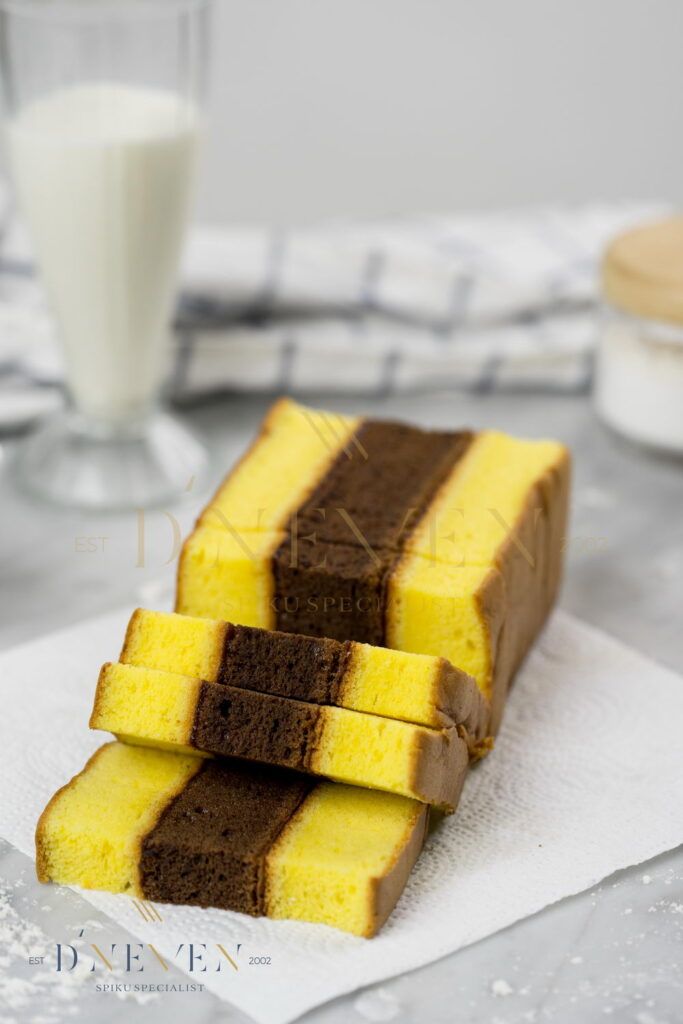
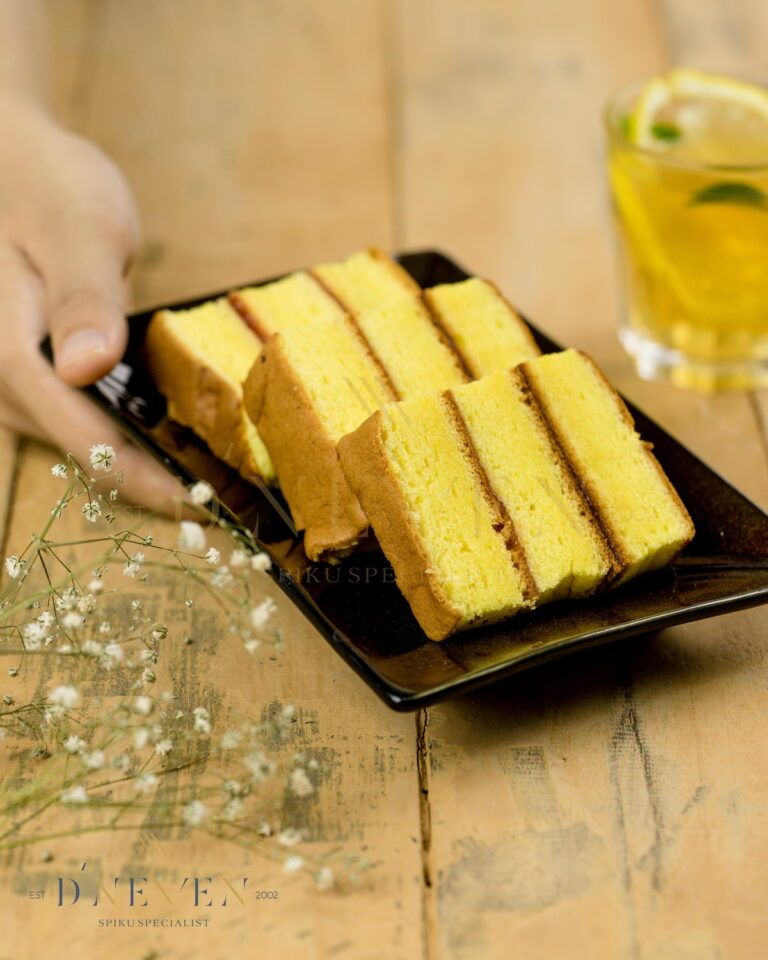
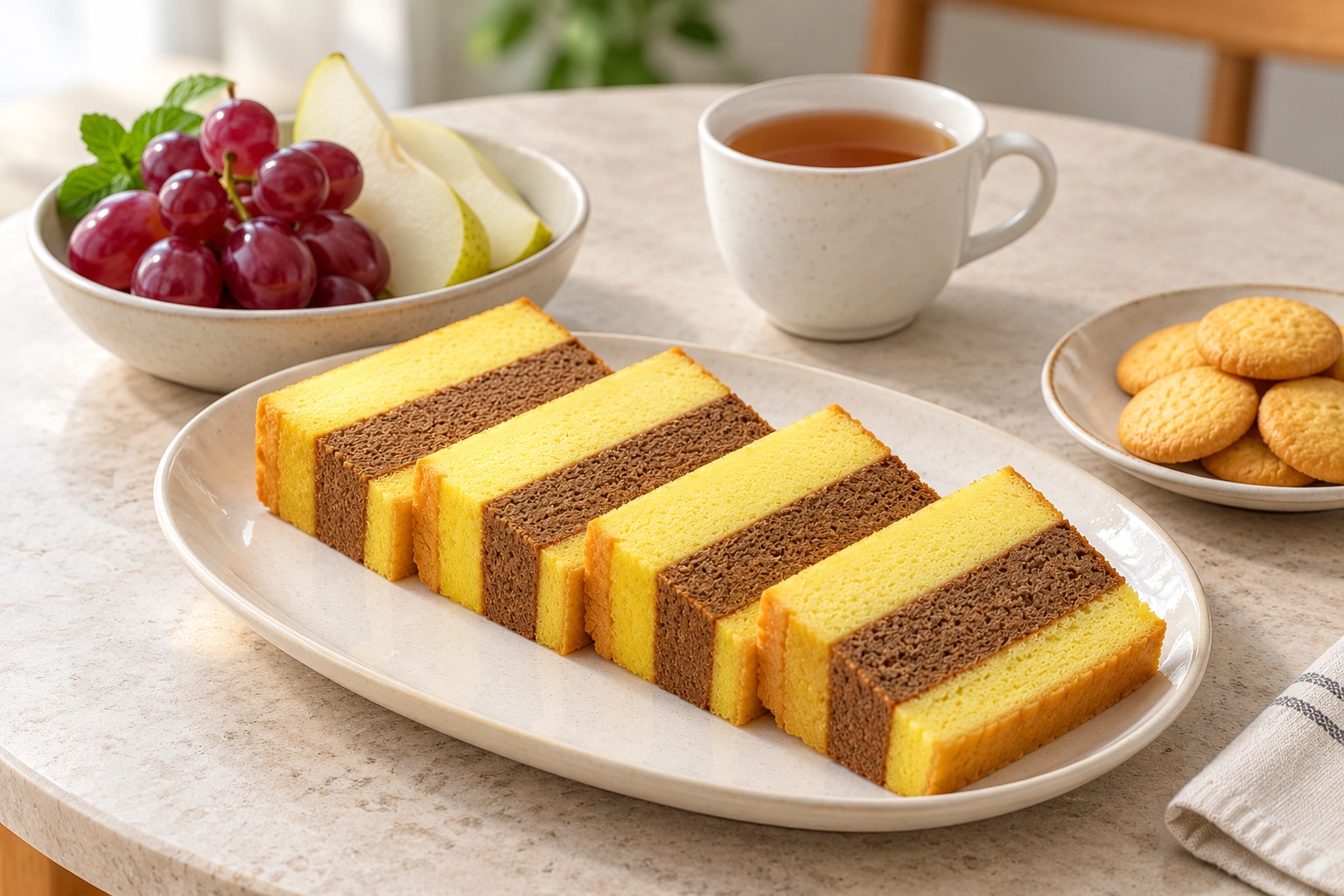
Use official product information as the starting point. Classic Original and Triple Vanilla can be discussed alongside other flavours according to the recipient’s preferences. Confirm the available size and flavour for the required date. A photograph or article is not evidence of current stock.
For ingredient or allergen requirements, ask about the specific variant before ordering. The absence of a visible topping does not establish suitability. If sufficient information is unavailable, keep another appropriate form of appreciation available rather than making an unsupported assumption.
Arrange a brief, unobtrusive handover
Confirm the location and time with the school. Student arrival, class changes and dismissal may be busy periods. Use an agreed time rather than relying on a chance meeting at the gate. A clear handover plan also reduces last-minute messages between parents.
Keep the box level and support its base. Place the card outside without covering important packaging information. If several teachers are receiving gifts, distinguish delivery markers from greeting cards so the messages do not become mixed during distribution.
Keep a short organizer’s summary: recipient, approved message, confirmed product, ordering contact and handover time. Afterwards, a brief confirmation to the group is sufficient. Photographs of recipients or children need not be a compulsory part of the gesture.
When contacting D’NEVEN SPIKU through its official channel, state the required date and whether the order is for one recipient or a group. Confirm the details before payment. A planned gift feels more comfortable when the message, school rules and recipient’s needs are understood from the beginning.