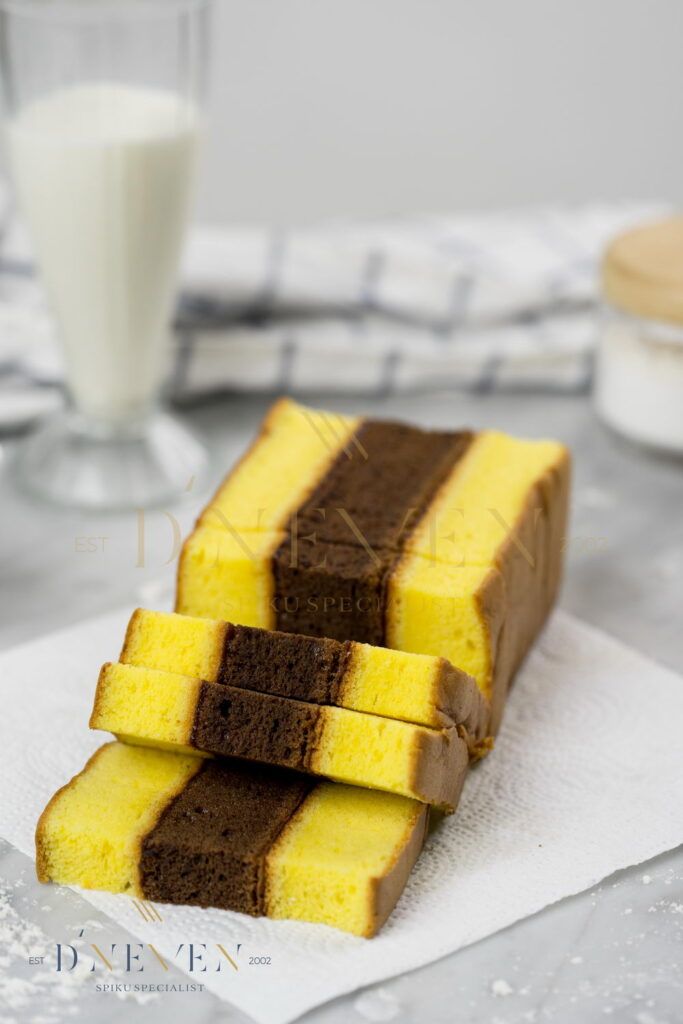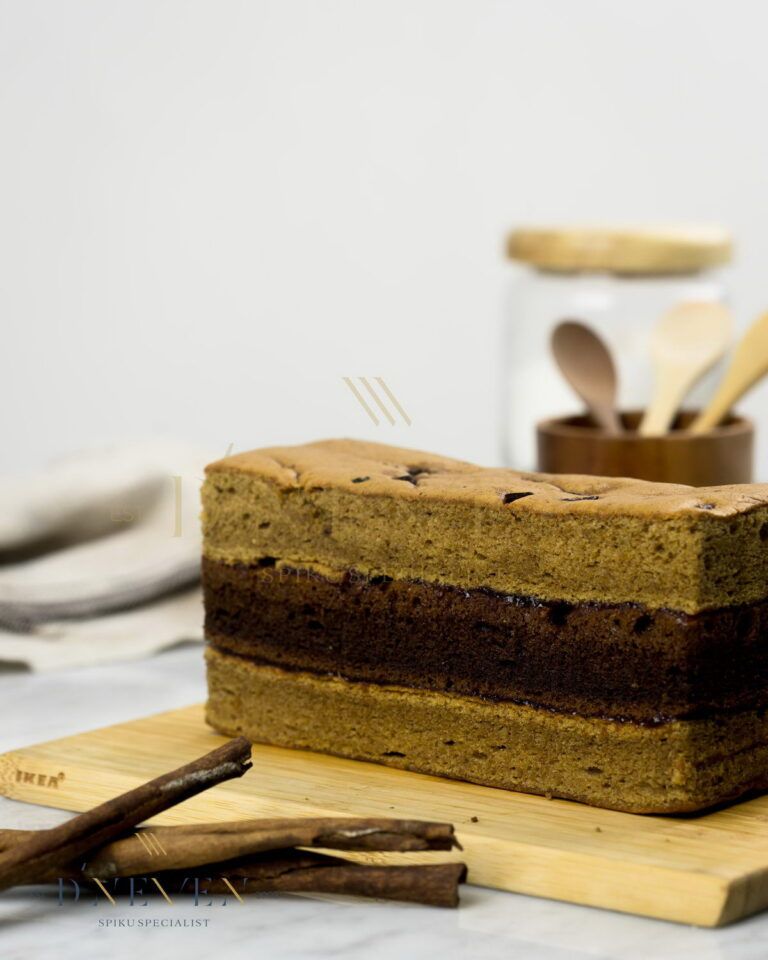
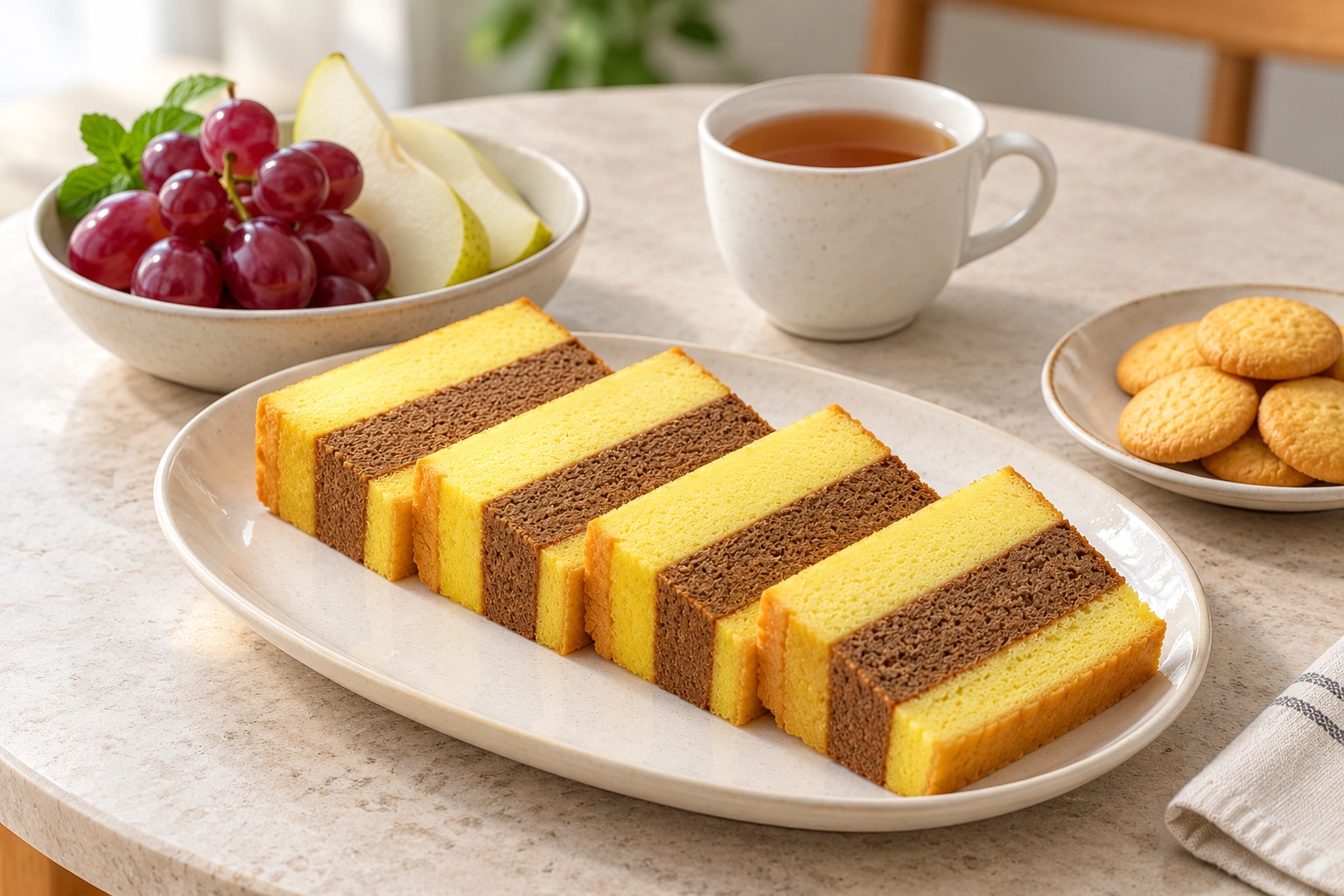
The quantity of spiku for a mixed dessert table should follow its role in the event. It might be the main dessert allocated to every guest, or one choice alongside fruit, cookies and other sweets. Those arrangements require different questions before deciding how many boxes to order.
Begin with a reasonably clear guest list, the serving method and a cutting yield suitable for the actual product. Avoid adding up the menu as though everyone will certainly take a full portion of everything. Equally, do not reduce the quantity merely because the table appears to offer several choices.
Decide the role of spiku in the dessert menu
Establish whether every guest receives a prepared slice, serves themselves or chooses one dessert. Plating spiku for each person creates a more direct slice requirement than a free-choice table. If dessert follows a main meal, discuss the full menu with the person organising the event.
Cozy Sweetery’s party guide also begins with guest numbers and the cake’s role. Use those questions as a framework rather than applying another bakery’s cake sizes or portion yields to Dneven spiku.
Write the decision in a sentence the team can follow. For example: “Each guest receives one slice of spiku; cookies are an additional choice.” This is clearer than “enough dessert for everyone”, because it identifies what must be available to each person.
Separate guests, slices and boxes
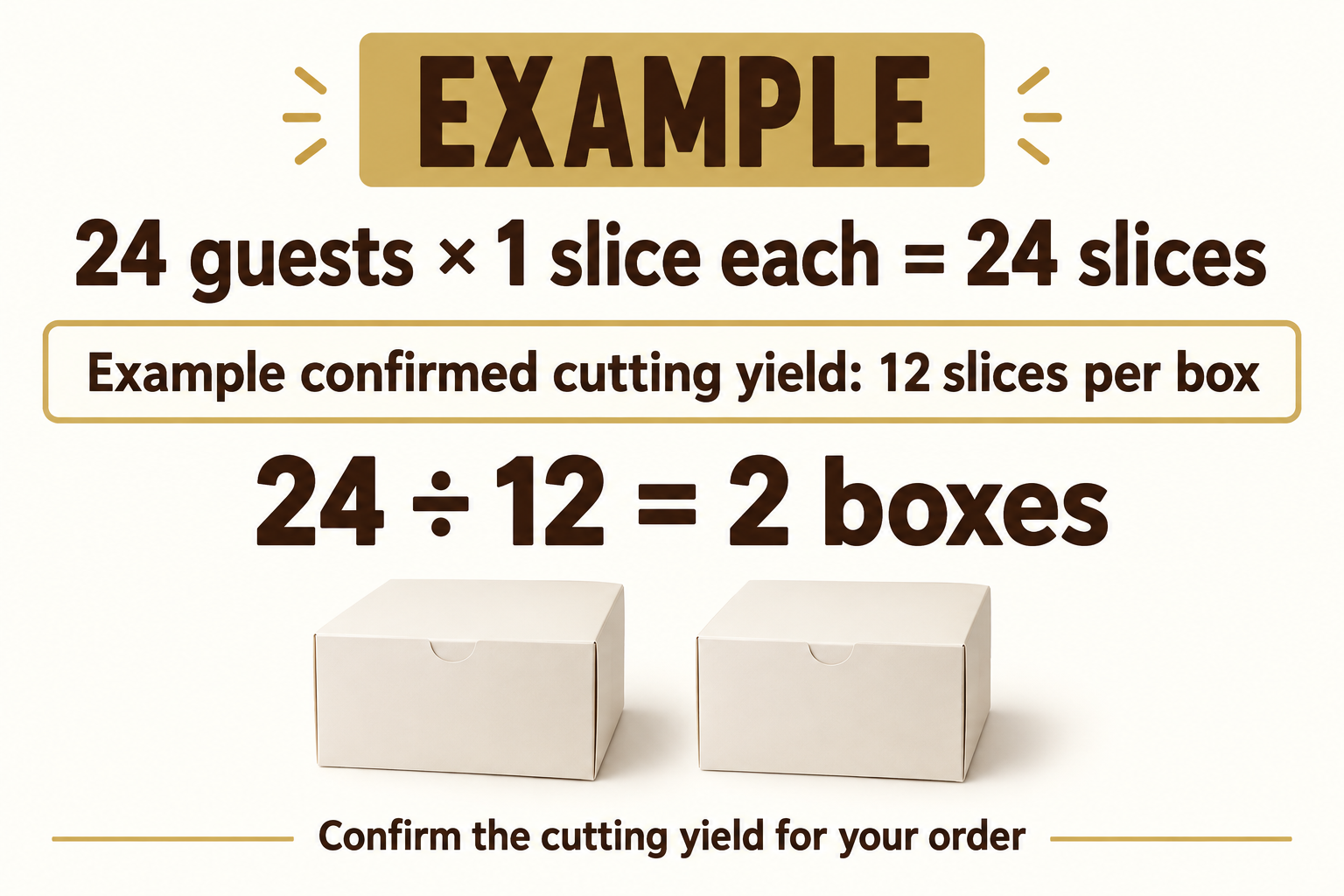
Consider an example event with 24 guests and one planned slice of spiku per person. The basic requirement is 24 slices. If the confirmed example cutting yield for the ordered size is 12 slices per box, that requirement corresponds to two boxes.
The number 12 is a worked example, rather than the stated yield of every Dneven size. Confirm the product size and cutting plan with the team handling the order. Larger slices change the yield, so a packaging photograph alone cannot establish the number of servings.
| Unit | Example decision |
|---|---|
| People | 24 planned guests |
| Allocation | One slice each |
| Requirement | 24 slices |
| Example cutting yield | 12 slices per box, after confirmation |
| Basic box count | Two boxes |
When attendance or slice size changes, recalculate from the part that changed. Do not automatically add a box without identifying the additional number of slices actually required. Keeping the units visible makes revisions easier to explain to the organiser and the person placing the order.
Round the box count only after calculating the slice requirement. If the example changes to 25 slices while the confirmed yield remains 12, two boxes provide 24 under that plan. Discuss the order size or additional box rather than quietly shrinking every slice to preserve the earlier total. Where packages come in defined multiples, record the difference between required and ordered portions. That difference can become an agreed reserve instead of an unexplained number forgotten after payment.
Treat accompanying desserts as actual choices
List the other desserts and how they will be distributed. Shared fruit, individually packed cookies and spiku slices on a tray create different serving patterns. The organiser needs to know whether any item has already been allocated to each guest before the table opens.
At a self-service table, consumption depends on the menu and the guests’ preferences. Use experience from a genuinely comparable event where available, and distinguish that evidence from an estimate. Sweet Events Bay Area’s planning guide likewise distinguishes plated cake from optional desserts; one quantity cannot describe every event format.
Consider needs guests have confirmed through the appropriate organiser. Do not assume every variant suits every person, or infer ingredients from the colour of a layer. Ingredient information should come from the relevant product source, not from the appearance of the dessert table.
Separate the ordered quantity from the displayed quantity
Every slice does not have to be displayed at once. Decide who prepares the initial arrangement, who replenishes it and how portions not yet served are handled according to the product instructions. The purpose is a workable serving flow rather than simply making the table appear full.
Use trays with counts that are easy to follow. Record the number of slices prepared and the number placed on the table. Where several flavours are offered, identify them clearly so replenishment does not depend on remembering cake colours.
Avoid decorative containers that make it awkward to lift a slice neatly. Serving utensils and space to put down a plate can affect the table’s usefulness as much as the total dessert count. A smaller, clear serving arrangement may be easier to manage than one crowded with every available portion.
Make reserve portions a separate decision
If reserve portions are wanted, record their purpose and quantity. Expected additional guests are a different requirement from take-home gifts. Do not count the same slice both as an eating allocation and a gift to leave with.
Before sending the order, confirm attendance, the role of spiku, the agreed cutting yield and additional requirements with one responsible organiser. Then use the spiku-serving guide for the table and utensils. This keeps the quantity decision explainable without relying only on how abundant a dessert display looks.