Spiku allergen information needs to be checked for the actual product being ordered. A flavour name, layer colour or slice photograph does not reveal every ingredient or production condition. If a recipient mentions an allergy or ingredient restriction, begin with that requirement and request information for the selected variant.
The purpose is to obtain a clear answer before confirming the order. This article does not establish an ingredient list for every Dneven product. Use current label information and branch confirmation: details from an earlier order or a different product may not answer the same question.
Describe the recipient’s requirement precisely
Ask which ingredient needs avoiding instead of only asking whether the recipient has a “restriction”. That word can refer to an allergy, a personal preference or another need. Do not turn the recipient’s explanation into an assumption about its type or severity.
For a gift, request only the information needed to choose food. There is no need to ask for a medical history in a family group or circulate it widely. One coordinator can pass on an ingredient question without sharing unnecessary personal details.
A useful opening question is, “Is there a particular ingredient we should avoid when choosing the cake?” Record the ingredient clearly once the recipient replies. If they cannot yet confirm their requirement, do not promise that a product will suit them before the necessary information is available.
Match the exact variant and packaging
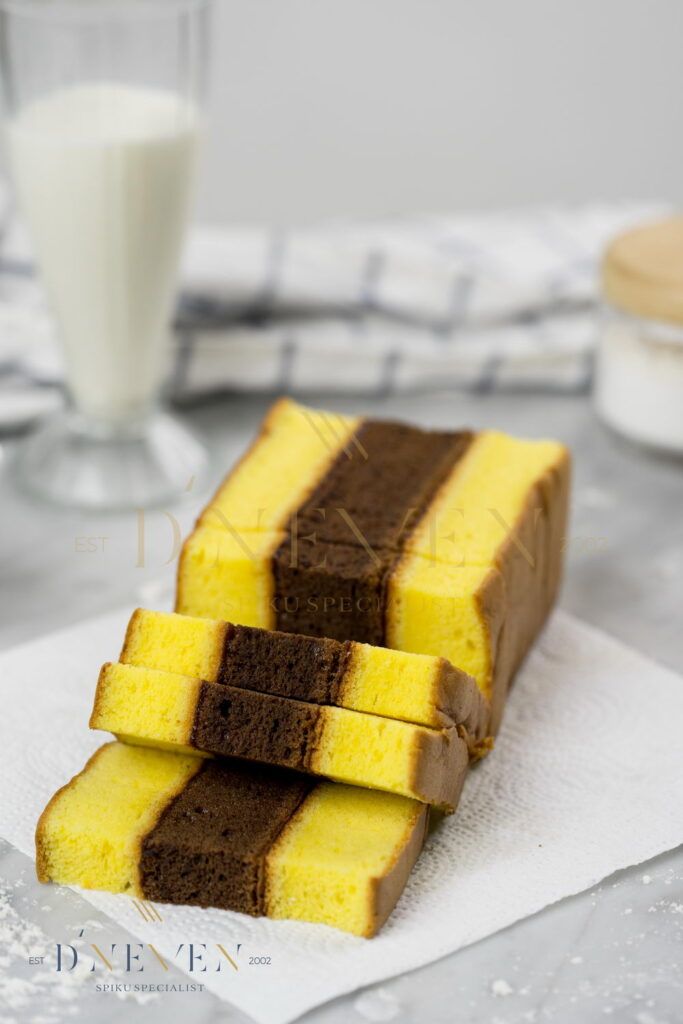
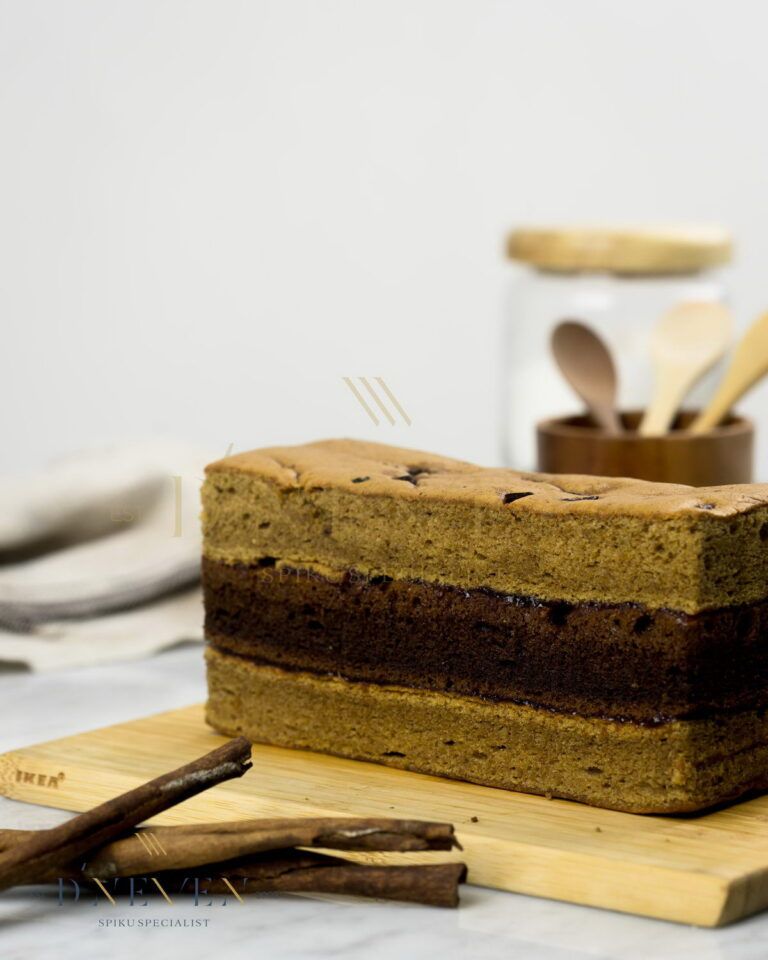
Use the full product name when asking the branch. Include the chosen size or packaging option where relevant. A photograph can help identify the product, but request ingredient information for that product rather than an assessment based only on its appearance.
The Dneven flavour guide helps identify available flavour choices. Use it to make the conversation specific, then examine ingredients and allergen information separately. A flavour that sounds simple does not establish a predictable complete recipe.
Check the date or version when a branch sends a label photograph. A cropped image may omit an important section. Request an image clear enough to read, including relevant information located on another side of the packaging.
Read ingredients and allergen statements together
The Indonesian food authority’s processed-food label guidance explains ingredient and allergen information on labels. When choosing a product, read both sections as complementary information. The brand or flavour wording on the front is not sufficient on its own.
Ingredients such as eggs, milk or gluten-containing cereals may be relevant to an allergen question, but the specific product’s information must come from its source. This article does not assume that every Dneven variant has an identical composition.
Also distinguish information about ingredients from statements about production facilities or equipment where these appear. They answer different questions. If wording is unclear to the recipient, seek an appropriate explanation instead of deleting that detail from a summary to make the answer sound simpler.
Ask a question the branch can answer
“Is it safe for everyone?” is too broad to support a precise response. Name the product and the relevant requirement. For example: “We are considering this variant for a recipient who needs to avoid ingredient X. Could you provide its current ingredients and allergen information?”
If the reply addresses only flavour, follow up on the unanswered point. Do not pressure staff to give assurances beyond the available product information. Record what has been confirmed and what remains unknown.
Avoid turning “there is no nut topping” into “nut-free”. The first statement only describes the topping under discussion. Similarly, removing a decoration does not establish that the related ingredient is absent from the rest of the product.
Decide before accepting a substitution
If the chosen variant is unavailable, repeat the check for its replacement. A similar box, price or layer colour does not make ingredient information interchangeable. Present the alternative to the recipient or decision maker before confirming the change.
For an order containing several boxes, organise the choices by recipient. Do not assume everyone has the same requirement merely to simplify purchasing. If no option can be confirmed as suitable, postponing the decision or choosing another kind of gift can provide a clearer outcome than unsupported reassurance.
Keep the information used for the decision with the order notes so the collector and gift giver use the same reference. The aim is not to create a personal file about the recipient. Limit the notes to product information and requirements genuinely needed for the order.
Check the product on receipt
Match the variant name and quantity with the agreed record. If packaging or product information differs from what was confirmed, ask before handing over the gift. Do not assume the difference is purely visual.
Where helpful, pass the label or product information to the recipient so they can read it directly. Avoid replacing it with a brief “we checked; it definitely suits you” message that removes the actual limits of the information.
Start with Dneven for product choices and read the applicable terms. Specific questions, correct product identity and a decision before confirmation help make a considerate gift without claiming ingredients or suitability that have not been established.