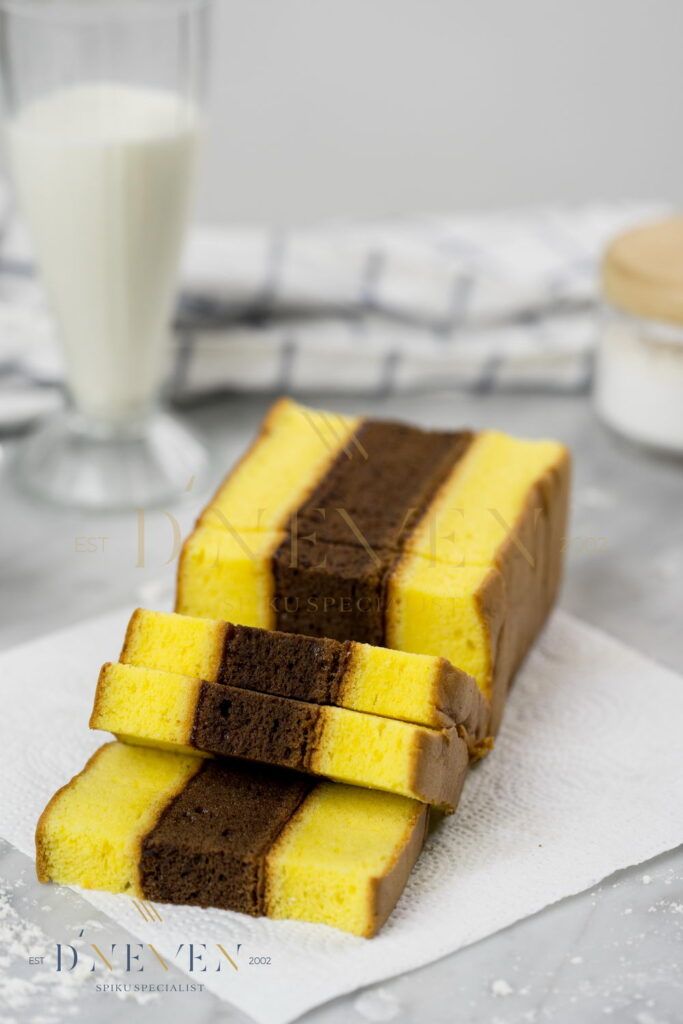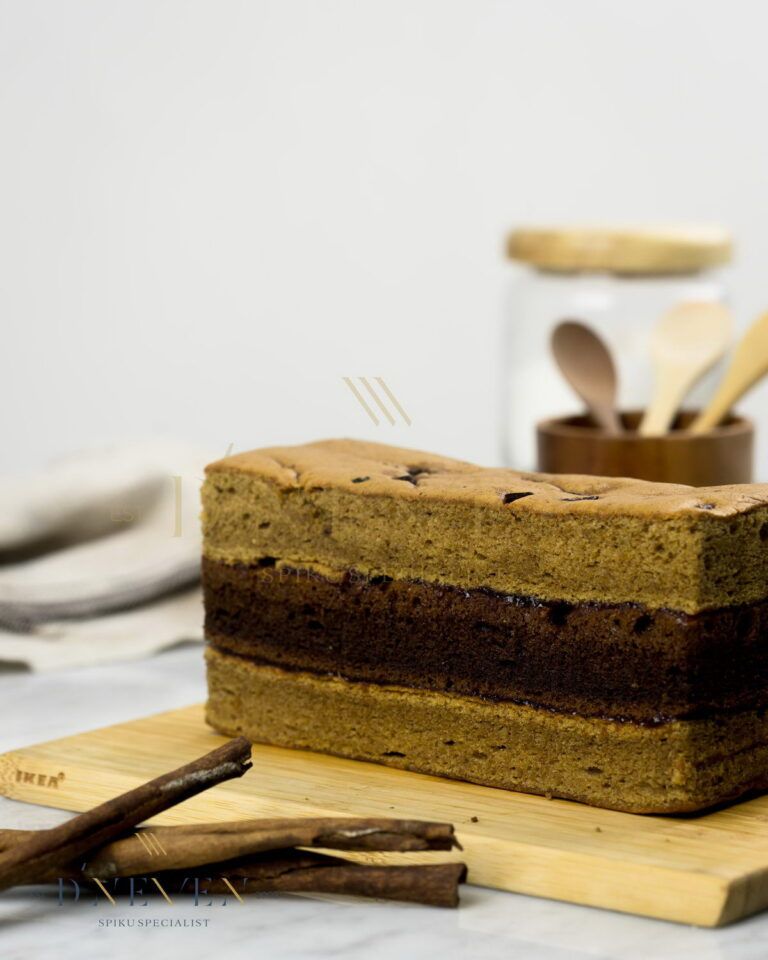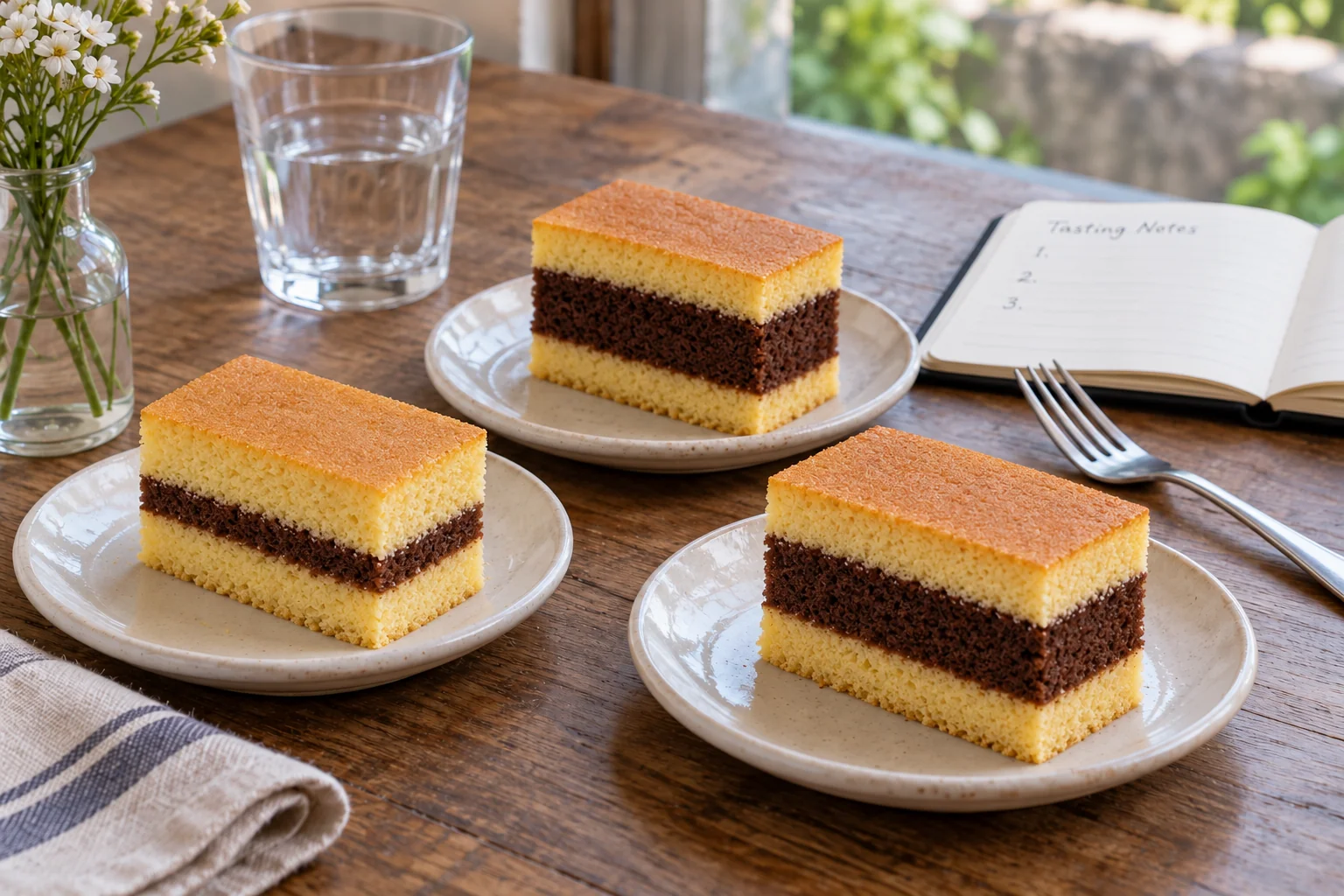
A short office conversation does not always need a large meeting room or a lengthy programme. A small table with spiku can provide a pause to welcome a colleague, close an activity or exchange team news. To make it comfortable, consider how serving and conversation fit together: people should be able to sit, hear one another, take something to eat and return to work without confusion.
Begin with the reason for gathering
Choose one reason that can be explained in a sentence. For example, the team might welcome a new colleague after the work introduction is complete. That purpose helps determine who should attend and how much time is needed. If the meeting involves complex work decisions, use an appropriate agenda and setting; refreshments do not resolve those discussion requirements.
Tell participants whether this is an informal break or part of a work agenda. A simple explanation prevents people from bringing unnecessary documents or expecting a much longer meeting. Decide who will begin the conversation and who will watch the time. These roles do not need to feel formal, but knowing them prevents everyone from waiting for somebody else to start.
Choose a table with genuinely usable space
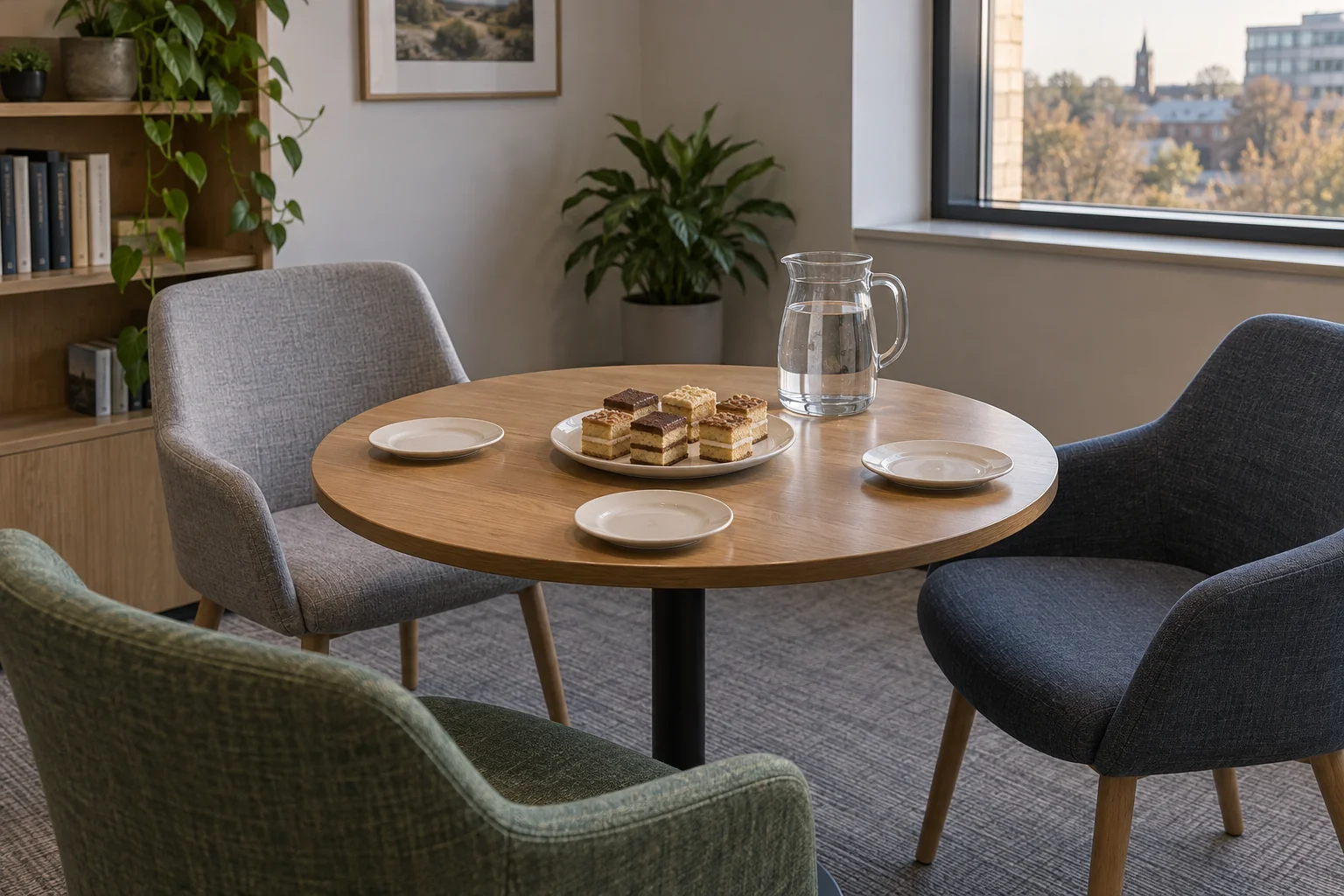
Assess the table with its expected contents rather than when it is empty. A serving plate, individual plates, glasses and utensils all occupy space. Leave enough room that participants do not need to repeatedly lift belongings when taking a serving. If the table is too small, put refreshments on a side table and use the conversation table for plates currently in use.
Check the spaces between chairs and the entrance route. Inward-facing chairs support conversation, but they should not block a door or passage. Plan additional seating before the gathering begins. Adding a chair is easier than asking everyone to shift a table already covered with refreshments. The chosen space should also follow the office’s rules and access requirements.
Prepare serving arrangements before people arrive
Confirm choices through Dneven’s information and prepare the necessary utensils. Follow the product-handling and serving instructions that have been confirmed. If small portions are wanted, decide who will prepare them and use clean tools and surfaces. Quantities should suit the meeting and selected product rather than being estimated from a photograph.
Provide somewhere for serving utensils so they are not placed on a work desk or used as personal cutlery. If participants ask about ingredients, use accurate product information. Memory or tasting impressions should not stand in for an answer. Even a brief gathering needs attention to requirements that participants have already communicated.
Make the conversation easy to join
A simple opening is usually enough: explain why everyone is gathered, invite them to take refreshments and offer a question that is easy to answer. For a new colleague, asking which part of the work they would like to understand first can provide direction. Avoid demanding unrelated personal stories or requiring everybody to speak for the same length of time.
If the group becomes larger, avoid leaving one side of the table detached from the main conversation. The host can invite comments from a quieter part of the table without pressuring a particular person. The aim is to offer an opportunity rather than create an assessment session. Refreshments support the conversation when people can reach them easily without stepping away for an extended period.
Finish at a time people understand
Agree on a finishing time and give a signal when a few minutes remain. The closing can include thanks and a practical next point, such as a work schedule that has already been announced. Avoid introducing a major new decision just as people prepare to return to work. If another topic arises, note who will continue it at an appropriate time.
Decide how remaining refreshments will be handled according to product instructions and office rules. Do not leave the table unattended on the assumption that the next group will tidy it. For a small gathering, dividing the work may be as simple as one person collecting utensils and another checking the table. Check for personal belongings before another team uses the space.
Distinguish shared refreshments from personal gifts
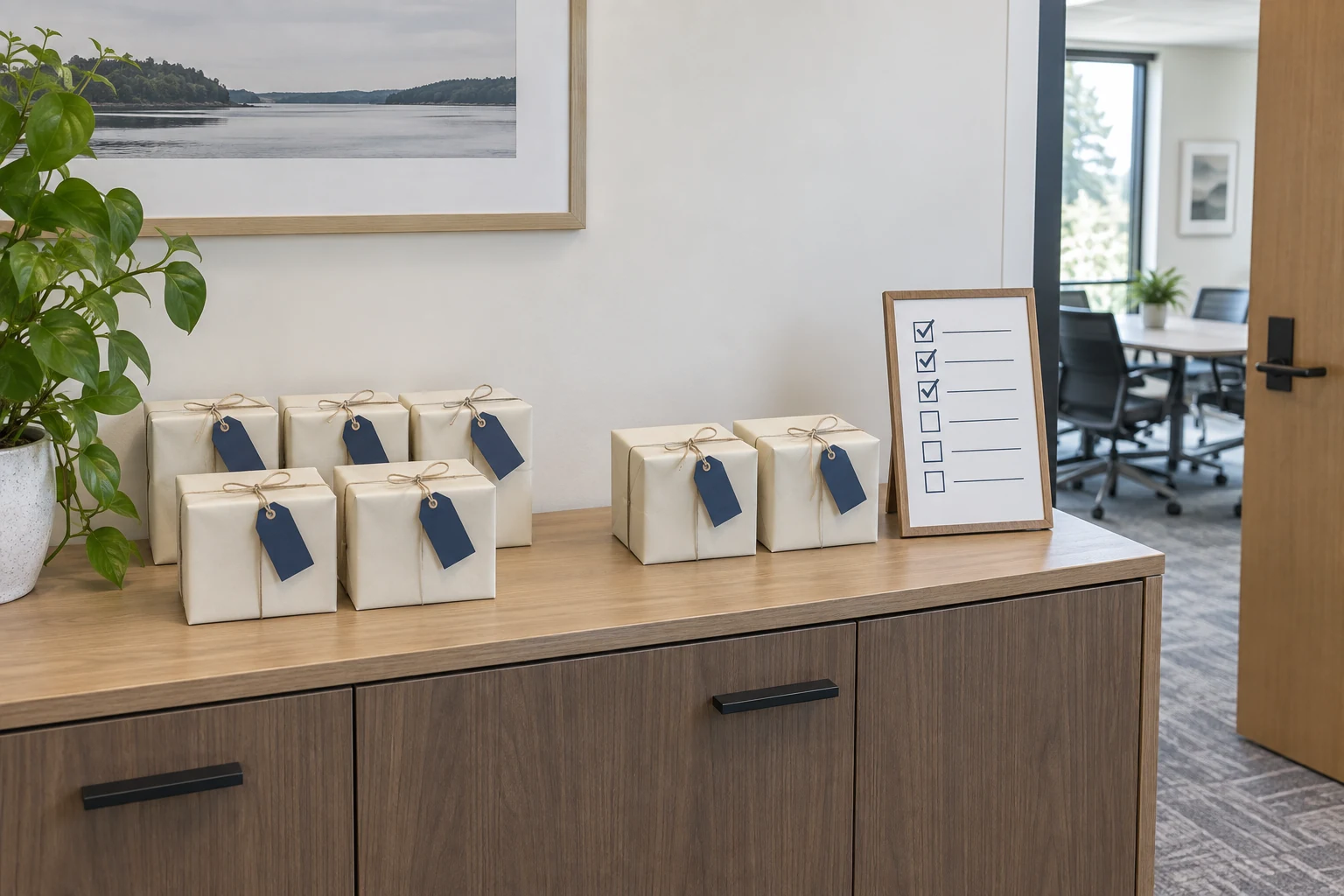
Spiku on a conversation table is intended to be enjoyed together on one occasion. A personal gift brings different considerations, including the recipient, message and handover. If gifts are also planned, organise them separately so the shared refreshments are not confused with packages intended to go home. The spiku gift-selection guide covers those considerations.
For collection or handover involving another location, read the handover-location guide. When contacting Dneven, explain that you need refreshments for an office conversation, when they will be used and which branch you intend to contact. A simple table feels considered when the space, serving flow and end of the meeting are clear to everyone attending.