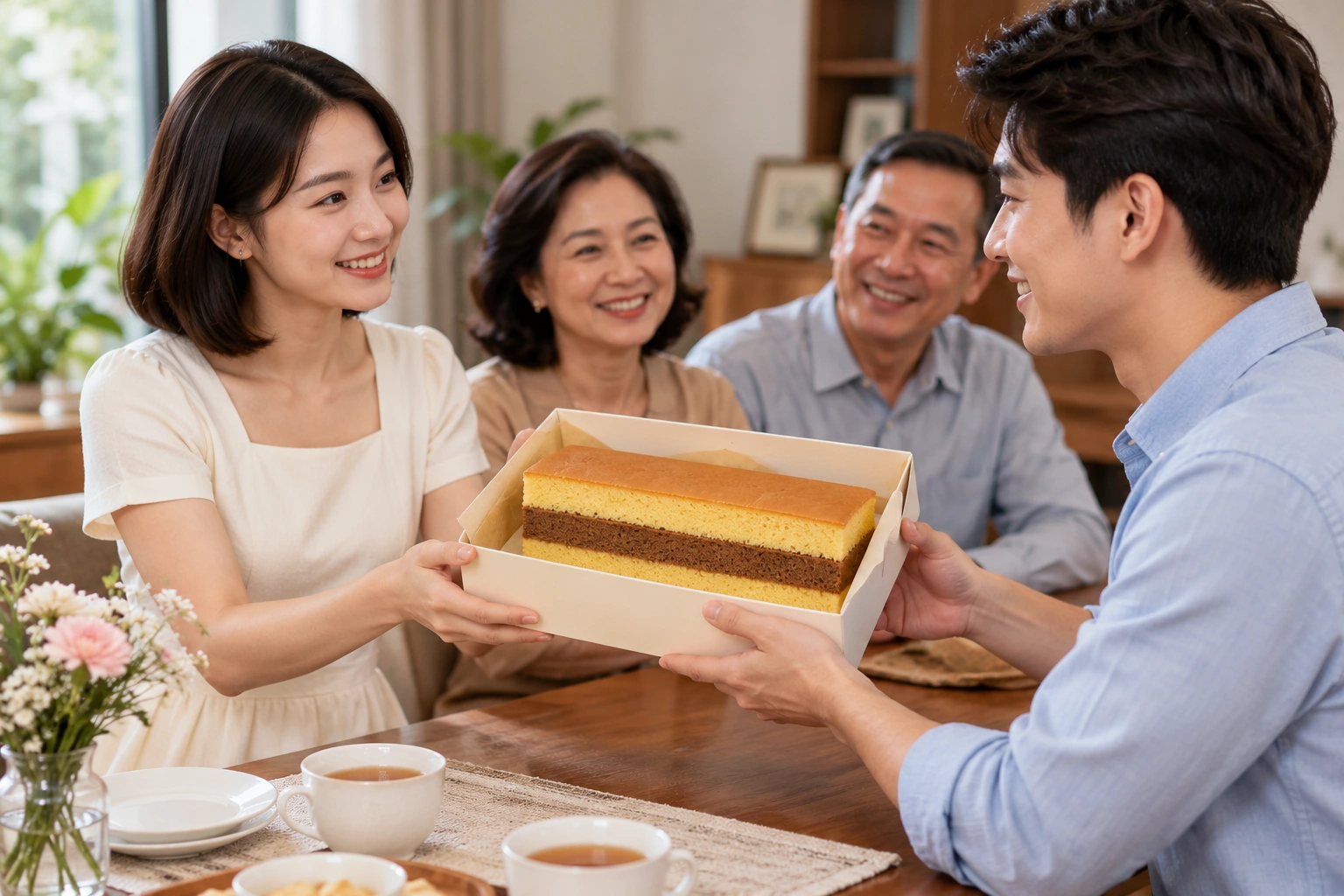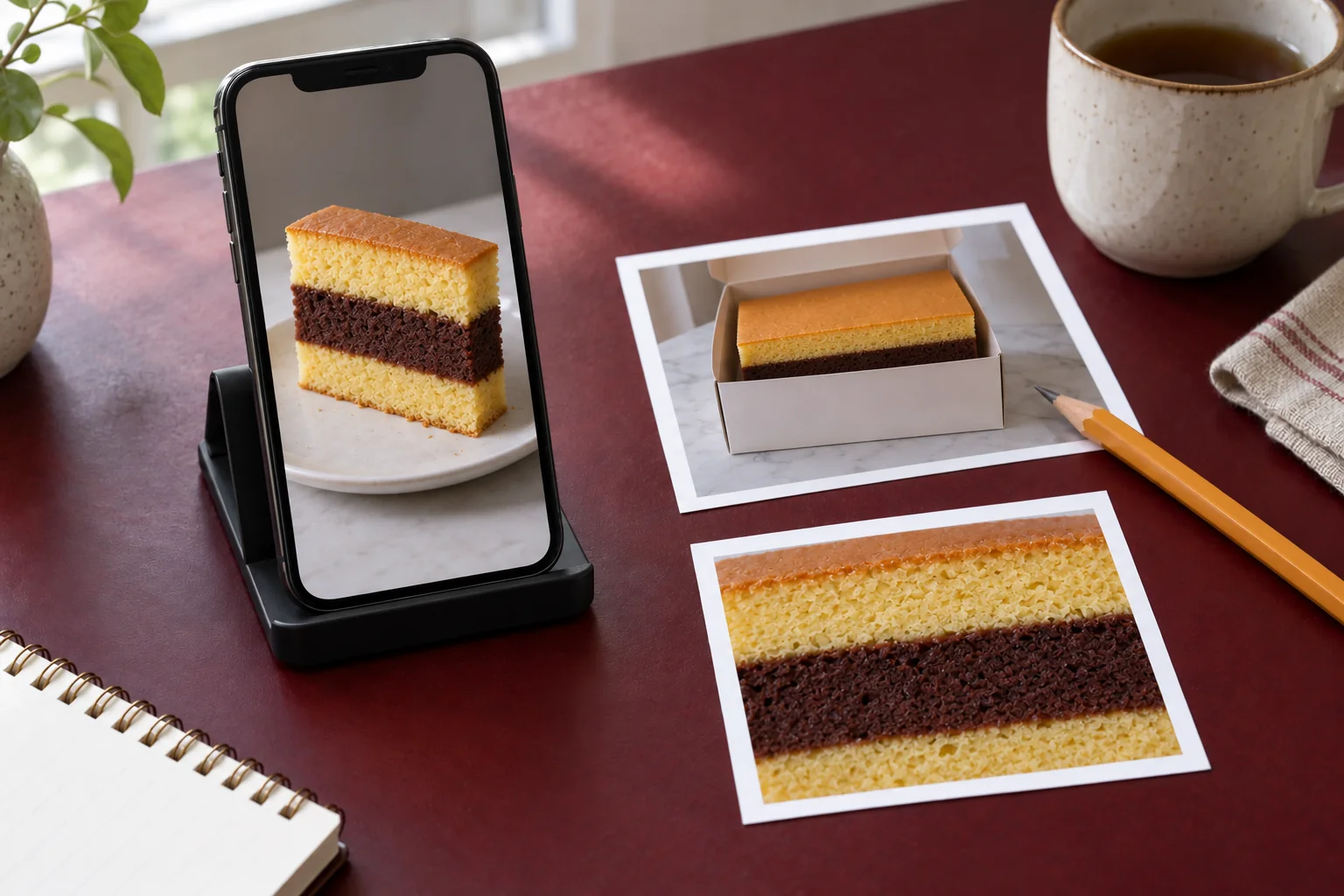
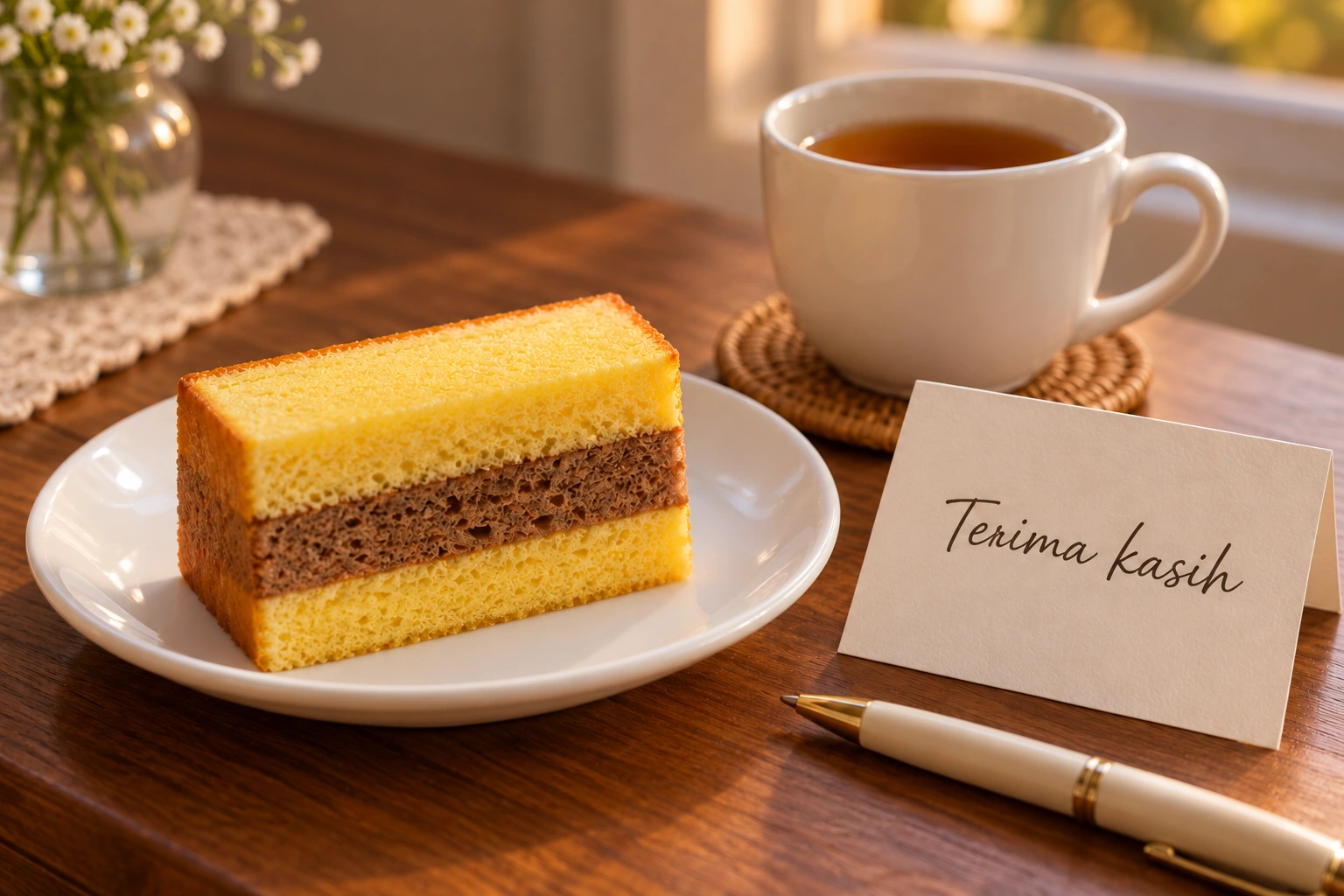
A thank-you message after receiving spiku does not need to be long. Confirm that the gift arrived, express appreciation to the sender and add one detail you genuinely know. It feels personal because it fits the relationship and the occasion, rather than because it uses elaborate language.
Receiving a box and enjoying its contents are different moments. If the cake has not been opened, you can still thank the sender for their thoughtfulness and the delivery. There is no need to praise a flavour you have not tried. That small honesty makes a simple message feel warmer.
Begin with news that it arrived
Gift givers often want to know whether their delivery reached its destination. The opening sentence can answer that directly: “The spiku arrived this afternoon. Thank you for thinking of us.” Add a greeting appropriate to your relationship.
If the person who accepted the box at home or work differs from the person sending the message, explain briefly. “The box arrived at home and I have seen it” is clearer than an unexplained “received”. Avoid forwarding the collector’s phone number or other unnecessary personal details.
When a gift arrives without a clear card, confirm the sender before naming someone in a group. You can ask the likely sender privately. Avoid publicly announcing a guess and expecting somebody to correct it, particularly when the gift comes from a professional contact.
Add one truthful detail
A detail might concern the timing, care for your family or an opportunity to share. If the cake has already been enjoyed together, mention that naturally. Otherwise, appreciate the intention or say you look forward to enjoying it after the day’s activities.
The Emily Post Institute’s guide to thank-you notes highlights identifying the gift and expressing specific appreciation. Apply that idea in your own words. Formal language is unnecessary if your everyday conversation is relaxed.
After sharing the cake, an appropriate example is, “We shared it while catching up at home, which made our afternoon together even nicer.” It describes a real moment. Avoid exaggerated praise such as calling it the greatest gift of your life unless that genuinely reflects how you feel.
Match the relationship
For a close friend, keep the message friendly: “Thanks so much for the spiku! It has arrived, and we’re looking forward to sharing it at home. It was lovely of you to remember us.” Use the kind of greeting you normally exchange, rather than an invented intimacy.
For relatives, focus on their thoughtfulness: “Thank you for sending spiku to us. The gift arrived safely. Warm wishes from everyone at home; we hope to get together again soon.” Adjust the ending to something genuinely possible rather than promising a visit you cannot arrange.
For a professional contact, be warm without implying a business favour: “Thank you for the spiku we received. We appreciate your thoughtful gift to the team and look forward to keeping in touch.” Use the sender’s preferred name or title and follow the organisation’s usual communication style.
Make group appreciation explicit
If the gift is for a team, decide who will send the thank-you. One message on behalf of the group may be enough, while colleagues with a personal connection can respond individually. Avoid making the sender feel obliged to answer a flood of nearly identical messages.
For example: “Thank you for sending spiku to our team. The box has arrived at the office. I am passing on everyone’s appreciation for your thoughtfulness.” This does not claim every team member has already tasted it if that has not happened.
Check both the sender’s name and the team name. When several people are recipients, do not describe the gift as exclusively yours. For the gift giver’s side of the process, see checking spiku gift cards to help keep names and recipients aligned.
Choose a comfortable communication channel
Replying in an existing conversation usually makes the message easy to find. If the sender contacted you directly, answer there. A handwritten note can be a personal touch, but it does not have to replace a timely arrival update.
A gift photograph is optional. Before sharing it, check for a visible card, address, phone number or other private detail. For a public post, consider whether the giver would be comfortable being named. A private message remains a complete expression of thanks.
If some time has passed, send the thank-you without a lengthy explanation. “Sorry for the late update; the spiku arrived and we really appreciate your thoughtfulness” gives sufficient context. Do not delay again while searching for a perfect sentence.
End with something sincere
Close with regards to the family, a genuine hope to meet or one sentence of appreciation. There is no need to promise a return gift. In professional relationships, avoid linking the present to purchasing decisions, projects or special treatment.
Before sending, read the message from the recipient’s perspective: is the gift identified, is the detail true and is the greeting appropriate? Remove lines that add length without adding care.
If receiving a gift inspires you to prepare spiku for someone else, explore Dneven. A good thank-you can remain simple: a clear arrival update, specific appreciation and attention returned to the person who gave it.