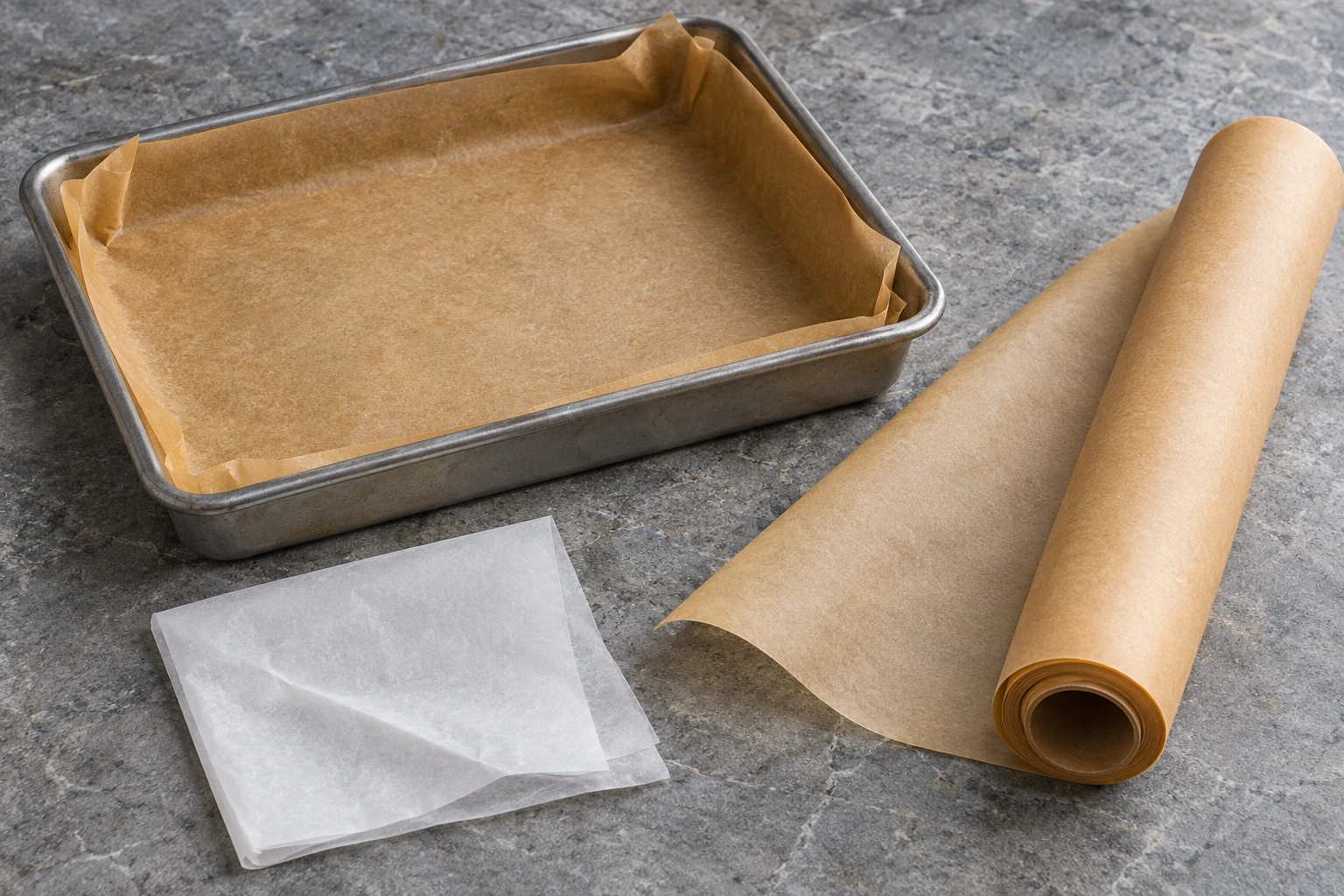
Baking paper and wax paper are both sold as kitchen papers, so check what the package says each one is for. For a pan going into an oven, choose a paper explicitly intended for baking and follow its usage limits. Wax paper can serve cold preparation and wrapping tasks according to the product’s directions.
Check the intended use on the package
The Indonesian term “kertas roti” may refer to more than one paper. Look for the product name, directions and food-contact information. A nonstick description alone does not establish whether a paper can go in an oven. Find a statement suited to the particular use you have in mind.
In its usage guide, Reynolds distinguishes parchment for baking tasks from wax paper primarily used for countertop preparation or wrapping. Products and their limits can vary, including temperature limits and placement near heating elements. Follow the directions for the paper you have. Reynolds guide to kitchen papers
Colour is not enough to identify a roll. Parchment can be brown or white, and other kitchen papers can have those colours too. If a roll is out of its box and you cannot identify its directions, use an identifiable product when the task requires an oven.
Fit the liner to the pan
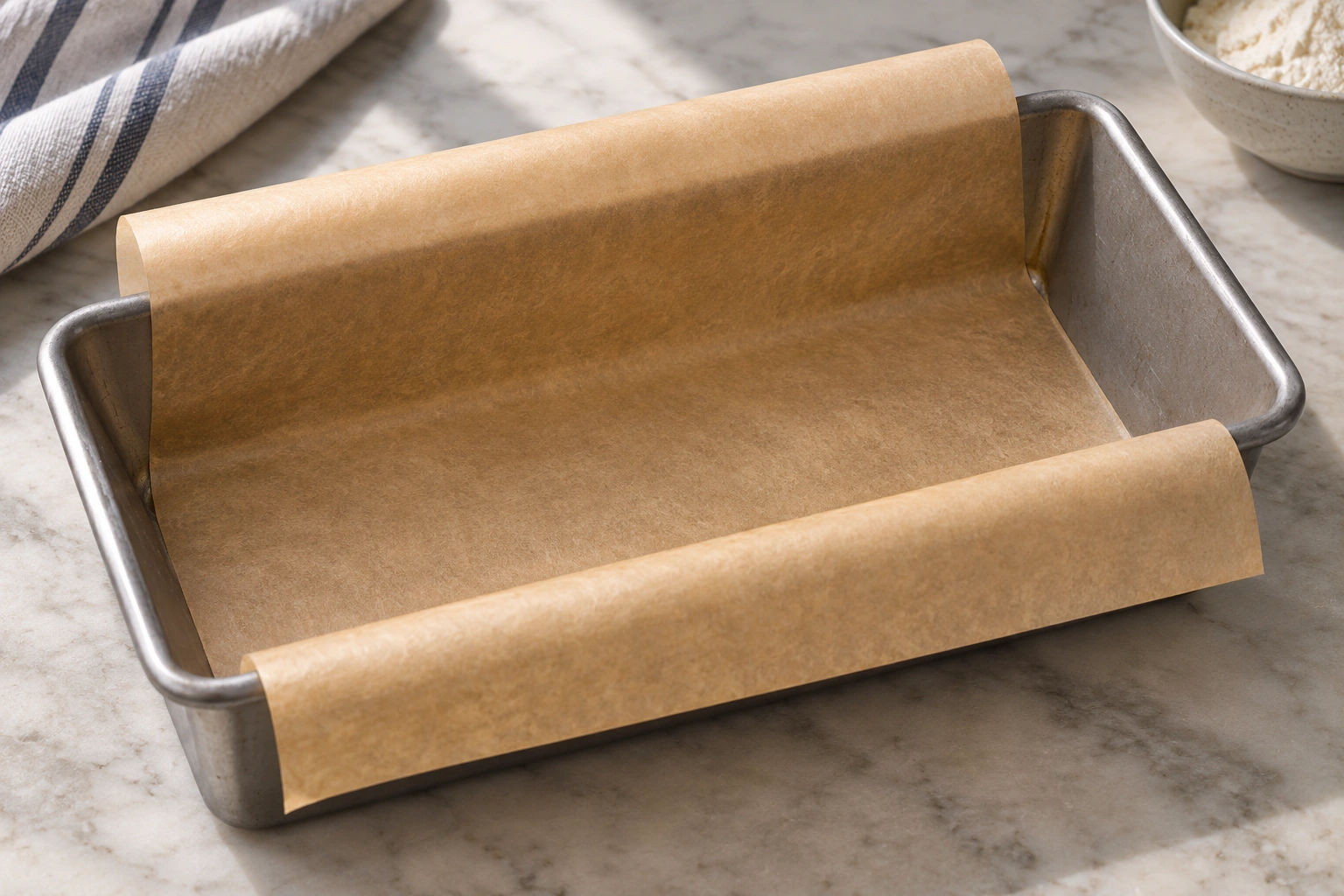
In a rectangular pan, one strip of baking parchment can cover the base and two opposite sides. If the recipe and pan shape suit this approach, the paper extending up the sides provides places to hold it when the cake is ready to lift out. The paper in the picture covers the long sides, leaving the short ends to be handled as the recipe directs.
Start with an empty, cool pan. Try positioning the liner before pouring in the batter. Check the corners, how flat it lies against the base and whether too much paper extends beyond the sides. Reynolds shows one way to measure a strip for a loaf pan. Treat it as an example if your pan has another shape. How Reynolds lines a loaf pan
Use a suitable amount of paper and observe the oven and product directions so loose edges stay away from heat sources. A fold that slips inward can also change the cake’s edge. If the cut shape matters, sight across the pan and flatten the liner before pouring the batter.
Separate cold preparation from oven work
Paper for trying out a cutting pattern, catching crumbs or wrapping ingredients works at a different stage from an oven liner. Place the papers in order of use so they are not confused. For example, keep the oven liner with the pan and set the roll for countertop preparation in a different area.
Wax paper and parchment may both prevent something from sticking to a table in certain tasks. Heat brings another set of conditions from the paper and equipment instructions. Where the package limits a use, select a liner expressly intended for the task.
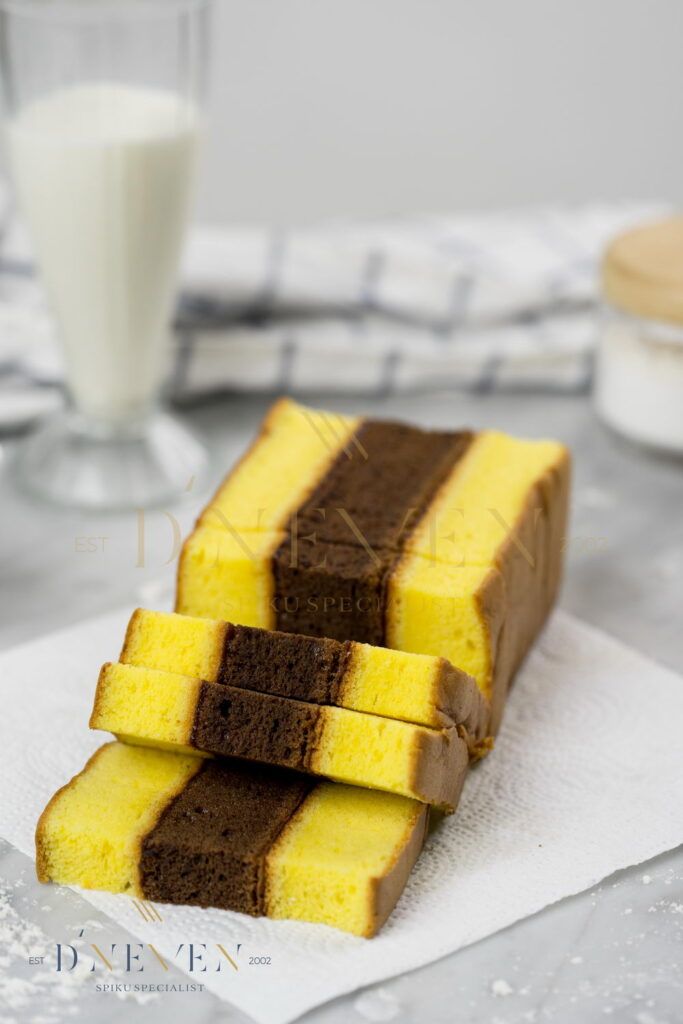
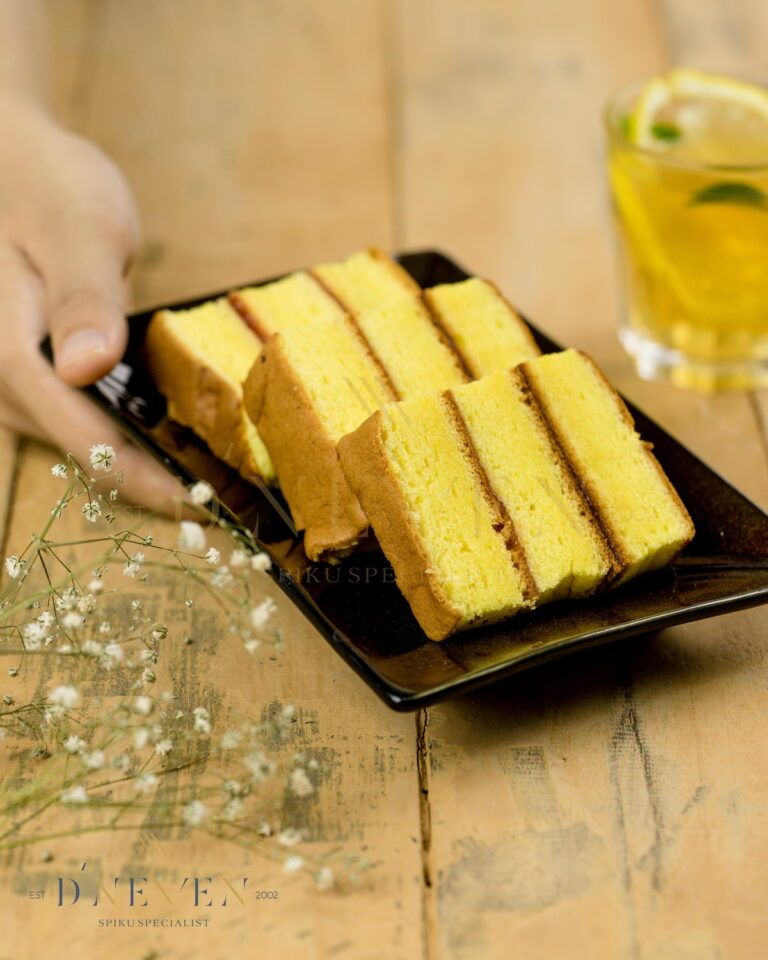
For a purchased cake, use the serving surface and wrapping that fit its storage directions. On the serving table, your purpose is to transfer or arrange slices. A baking liner addresses an earlier decision in the kitchen. Guide to cutting clean spiku slices
Check the result when the cake is ready to leave the pan
Follow the recipe’s guidance on when to remove the cake. At that stage, check that the liner remains intact and that the sections you intend to lift can be gripped from opposite sides. When comparing liners, keep the same pan and recipe and note differences at the bottom and edges.
A useful record includes pan shape, paper type, covered sides and what happened during removal. Note whether a wrinkled edge came from a fold in the paper or whether uncovered batter touched the pan wall. This gives you one factor to change in a subsequent trial.
Suppose the centre pieces come out cleanly but an end sticks. First check whether the short sides were exposed in the chosen liner setup. A solution for a sticking end may differ from one for folded paper on a long side. Photograph the base and one end under the same light. A note such as “rear end stuck, base lifted” tells someone which part might need to change.
Store the rolls with their instructions
Keep the original boxes if several people take turns using the papers.
Close the packaging so the product name and directions can still be read. If several rolls share a drawer, mark their purpose while keeping the instructions available. For a finished cake, check the choices and storage guidance from Dneven. In your own kitchen, make the liner choice before the oven is on by checking one label and trying the sheet in your pan.