
A shared spiku order is easier to review when participants choose first and one coordinator sends a final summary. Agree one coordinator and one pickup point so that the conversation does not become several overlapping orders.
This differs from sending gifts to multiple addresses. The main task is to turn individual choices into a clear request for a branch. Distribution to participants can follow afterwards using a separate internal list. Keeping those purposes distinct shows which details are personal preferences, which are questions for the seller and which have already been confirmed.
Agree how people will participate
Decide who contacts the branch, when participants should reply and where pickup is planned. A collection deadline belongs to the group’s own arrangement; do not present it as an official Dneven ordering cutoff without confirmation.
Make provisional information visible. Prices, offered sizes, availability and preparation time need checking for the actual request. Participants can express preferences in advance, but the coordinator should not promise fulfilment before receiving the branch’s answer.
If the group shares costs, agree who maintains that record and how participants receive their summary. Avoid placing unnecessary personal payment details in a list sent to the seller. The branch needs actionable ordering information rather than the group’s entire internal conversation. A separate record also makes later corrections easier to communicate without exposing unrelated details.
Use consistent product names and units
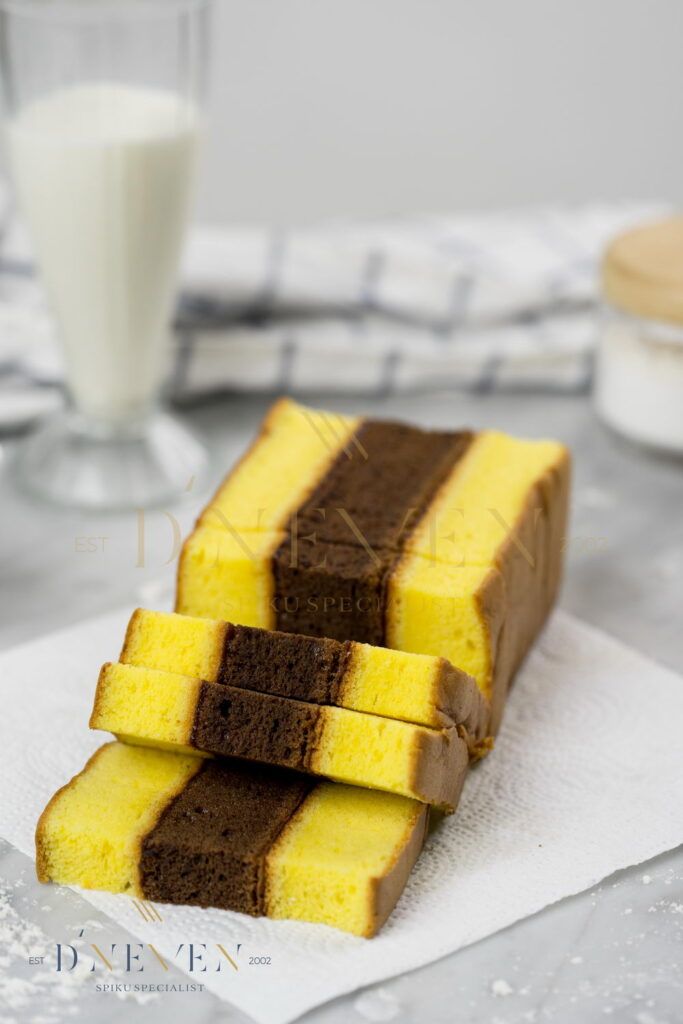
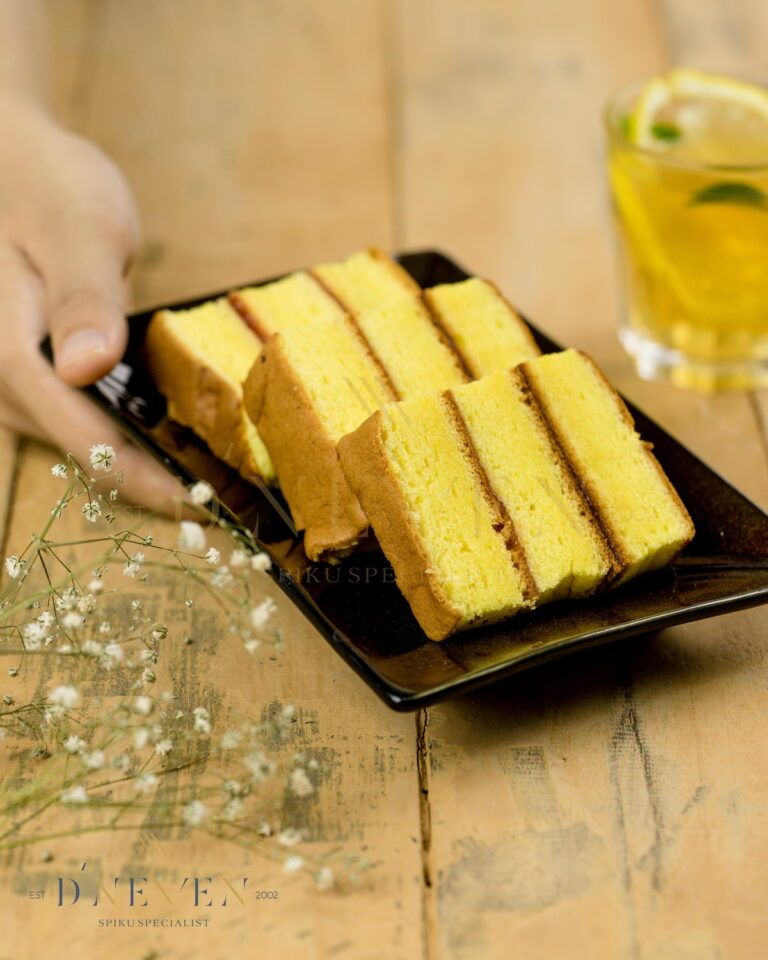
Use Dneven’s collection as the reference for complete product names. Classic Original, Triple Vanilla and Triple Chocolate identify different choices. “The usual one” or “one chocolate” invites questions when each participant has something different in mind.
Keep one row per participant choice in the internal list. Useful fields include a participant reference, product name, intended size, quantity and confirmation status. If a size is unknown, mark it as a question instead of estimating it from a photograph. A visible question can be resolved; an invented value may travel through the order unnoticed.
Separate the first choice from an alternative the participant has actually accepted. An empty alternative field does not authorise a substitution. Where no alternative is agreed, record that the coordinator must ask again if the original request cannot be supplied.
Close collection before sending the summary

At the group’s agreed deadline, review every row and consolidate identical choices. Keep the same product in different sizes on separate lines. Retain the participant list for internal distribution while the branch summary identifies products, sizes, quantities and the intended pickup point.
Give the summary a version or time reference to distinguish later updates. Explain that you are coordinating one group order. Forwarding every participant’s screenshot makes the seller interpret conversations that may be incomplete, outdated or unrelated to the final decision.
Ask the branch to review the request and answer unresolved points. If an option cannot currently be supplied, return that question to the relevant participant. A summary sent to the branch remains a request for confirmation; it is not evidence that every item has been prepared.
Route changes through the coordinator
After the summary is sent, participants should direct changes to the same coordinator. That person checks whether the branch can still discuss the amendment. Several people should not independently alter one order without identifying how their requests relate to it.
When a change is accepted, update one current summary and identify the changed part. When it is unconfirmed, keep it pending. Do not add quantities to the internal distribution list before establishing whether the branch order has changed too.
For example, someone might request a different product after collection closes. Record the original choice and new request, then wait for the relevant decision. Other participants need the version applicable to distribution and any outstanding point, rather than a forwarded history of every message exchanged with the branch.
Reconcile pickup and distribution
Before travelling, review the confirmed branch, agreed pickup arrangement, product names, sizes, quantities and any order reference supplied. Ensure that the person collecting knows how to contact the coordinator if a difference arises. A clear handover is particularly useful when the collector did not organise the order.
At collection, compare the goods with the summary as appropriate to the opportunity and branch process. Raise any question directly. Afterwards, use the internal list to distribute choices rather than remembering who usually likes a particular flavour.
If the requirement develops into several delivery addresses, use the guide to spiku gifts for multiple recipients. Do not silently combine an address list with a single-pickup summary; clarify that the scope has changed.
After distribution, retain only the participant details still needed and limit access appropriately. Reuse the format next time, but reconfirm its contents, preferences and availability. An old summary is a useful working structure, not an automatic repeat order assumed to remain correct.